
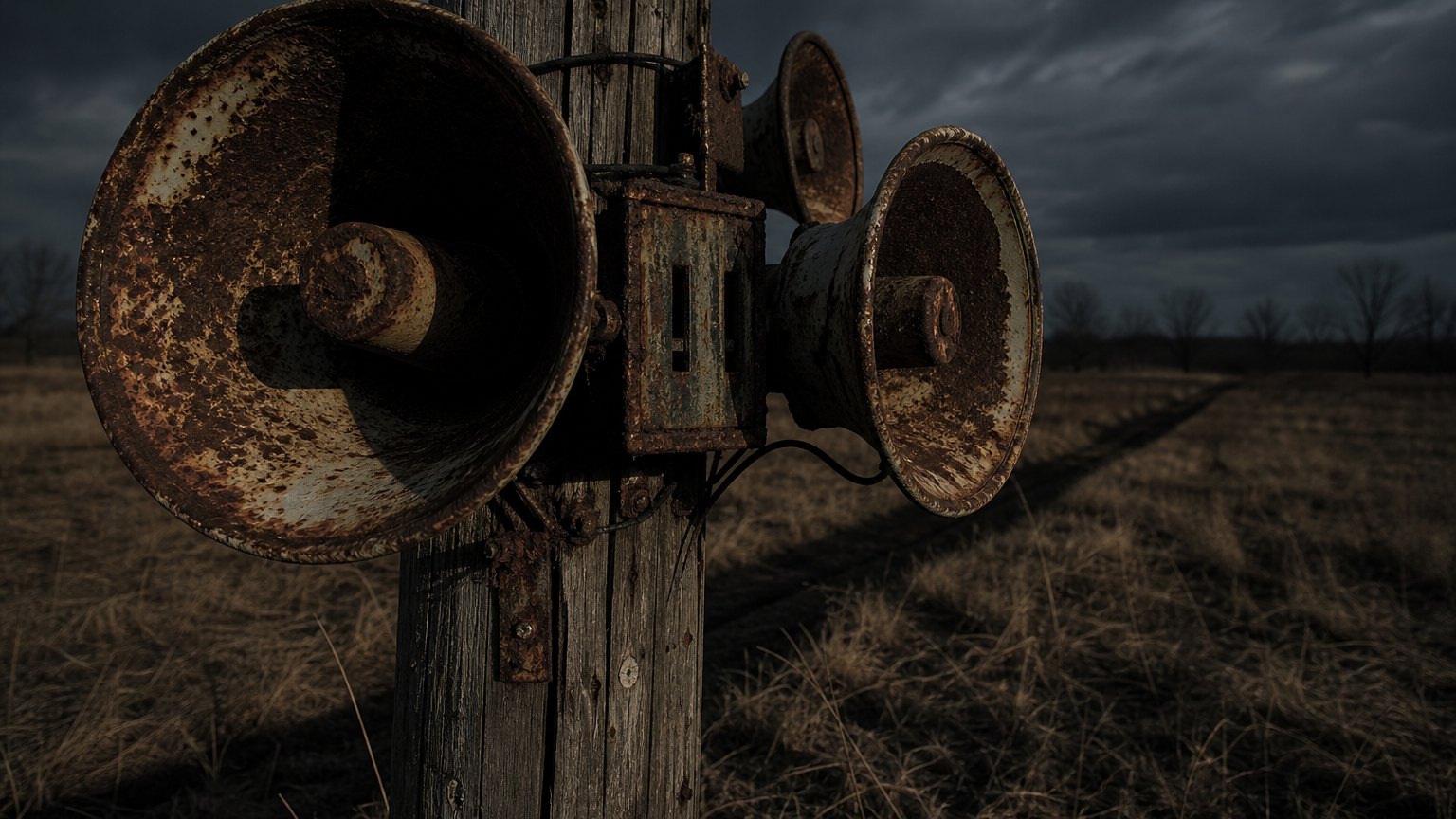
LOS ANGELES — The landscape of contemporary horror has long been shaped by the migration of digital folklore into theatrical spaces. From the Slender Man mythos to the various entities circulating through obscure forums, the internet serves as a modern griot for communal fears. Warner Bros. has now entered this arena, acquiring the rights to develop a motion picture based on the widely recognized internet sensation, Siren Head.
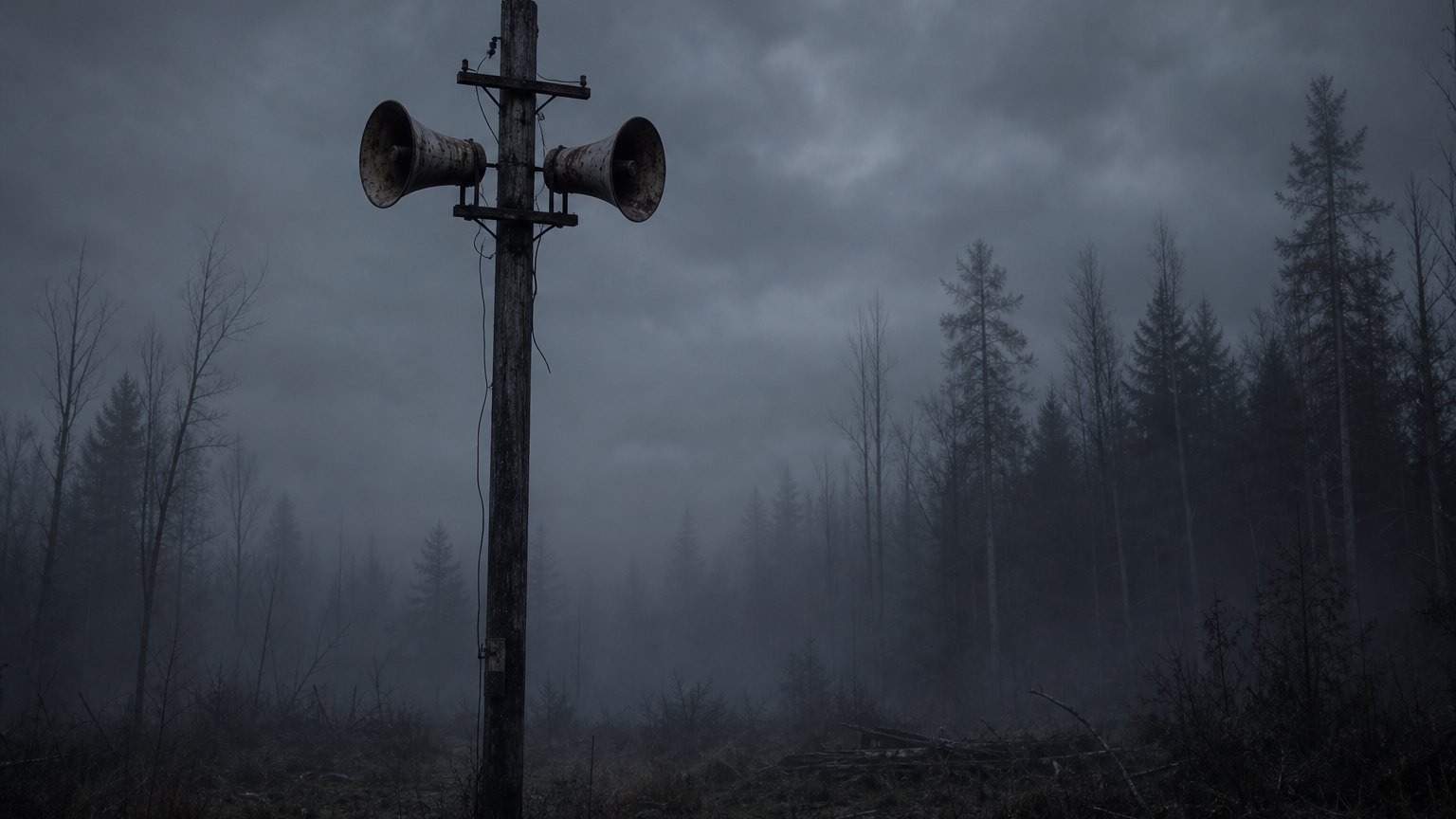
This acquisition signals a strategic interest in properties that have already achieved organic cultural penetration. Siren Head, characterized by its towering, skeletal frame and dual sirens replacing a head, has persisted in the public consciousness not through traditional marketing, but through user-generated content and creepypasta literature. The entity’s visual simplicity and auditory menace make it a compelling candidate for cinematic adaptation, provided the source material is handled with narrative rigor rather than reliance on jump scares alone.

The studio has attached Brian Duffield to direct the project. Duffield has established a reputation for blending genre conventions with a distinct tonal balance, often exploring the intersections of violence and dark humor. His selection suggests a desire to ground the supernatural elements in a character-driven framework, moving beyond the creature feature archetype into something more structurally complex.
Completing the creative team is Zach Cregger, who will co-write the screenplay. Cregger recently garnered significant attention for his directorial work on 'Weapons,' a film that has been noted for its meticulous construction of dread and its subversion of domestic thriller tropes. His involvement indicates that Warner Bros. is prioritizing a writer-director dynamic that emphasizes psychological tension over spectacle. Cregger’s approach to horror often involves a slow-burn accumulation of unease, a technique that could effectively translate the static, looming threat of Siren Head into a kinetic cinematic experience.
The pairing of Duffield and Cregger represents a convergence of two voices currently influencing the indie horror circuit. Their collaboration suggests a film that may lean toward atmospheric terror and narrative ambiguity, rather than straightforward monster violence. This approach aligns with a broader industry trend where studios seek to replicate the success of elevated horror films that treat their subjects with a degree of seriousness and artistic intent.
As development begins, the challenge for the production team will be to expand the mythos of Siren Head beyond its original digital iterations. The entity’s power lies in its ambiguity and the void it leaves for the viewer’s imagination. Translating that void into a feature-length runtime requires a narrative architecture that sustains tension without revealing too much too soon. Warner Bros.’ investment in this property reflects a confidence in the source material’s potential to resonate with audiences accustomed to the viral nature of modern horror consumption.
The Industrial Context
The horror genre has become a reliable engine for box office returns, with independent and mid-budget films frequently outperforming their studio counterparts in terms of profitability. By acquiring Siren Head, Warner Bros. is positioning itself to capitalize on this trend, leveraging a pre-existing fanbase while employing talent known for their ability to craft commercially viable yet critically respected genre entries. The film’s trajectory will be closely watched as an indicator of how major studios are navigating the intersection of digital folklore and traditional cinematic storytelling.
Comments (3)