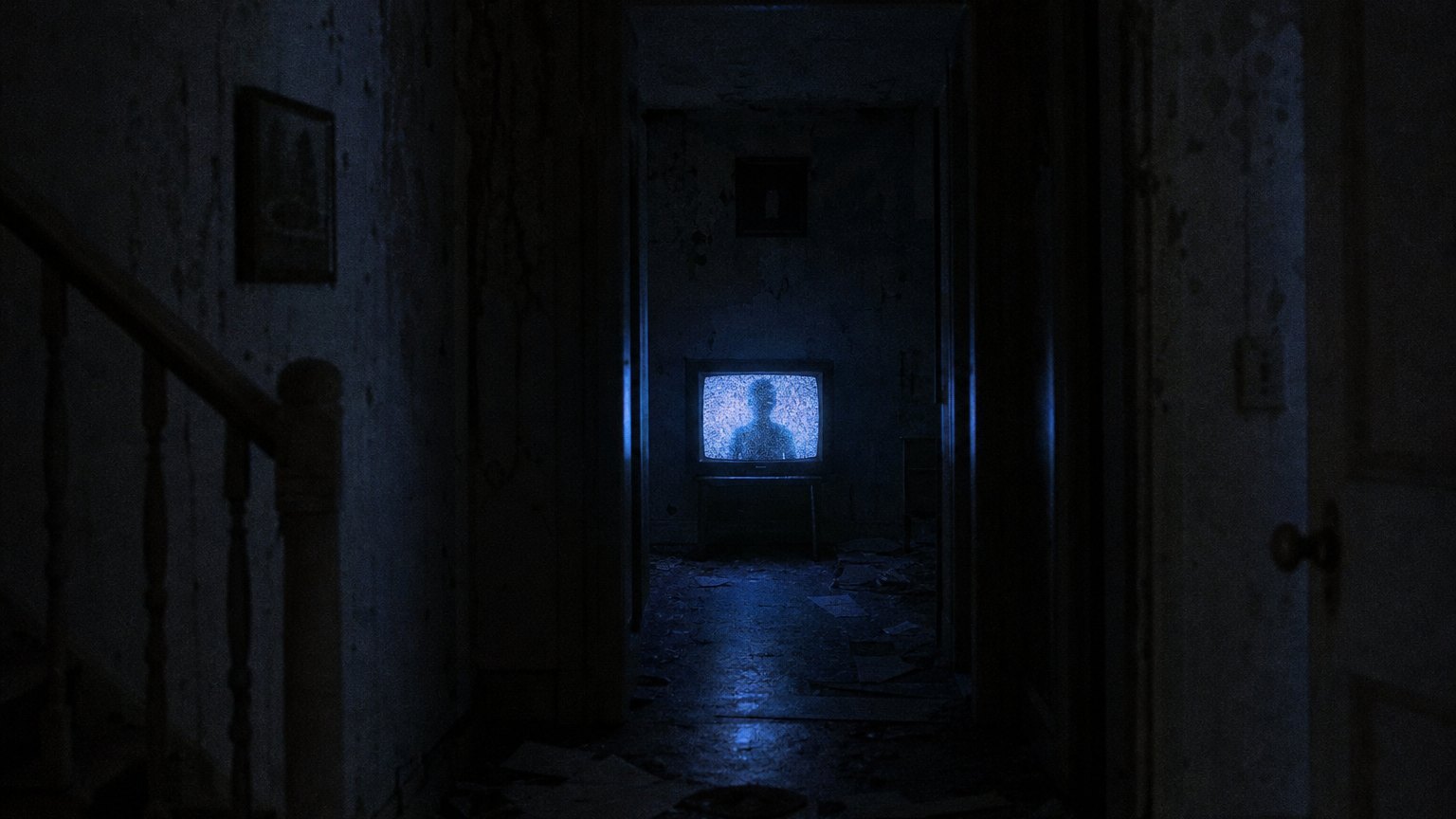
LOS ANGELES — The boundary between independent internet folklore and major studio machinery grew significantly thinner on July 2, 2026, with the announcement that Steven Spielberg will produce a feature film adaptation of The Mandela Catalogue. The project, destined for Amazon MGM Studios, marks a pivotal moment in the ongoing commodification of digital horror, elevating a series that gained traction through atmospheric dread and analog aesthetics to the highest tier of Hollywood production.
The Bidding War for Analog Dread
The acquisition of the rights to The Mandela Catalogue was not merely a transaction but a contest. Industry reports confirm that the project emerged from a competitive bidding war involving eleven studios, a testament to the perceived cultural weight and commercial viability of the source material. For Amazon MGM Studios, the acquisition represents a strategic expansion into the realm of viral horror, seeking to translate the visceral, low-fidelity fear of the YouTube series into the expansive language of cinema.
Creator at the Helm
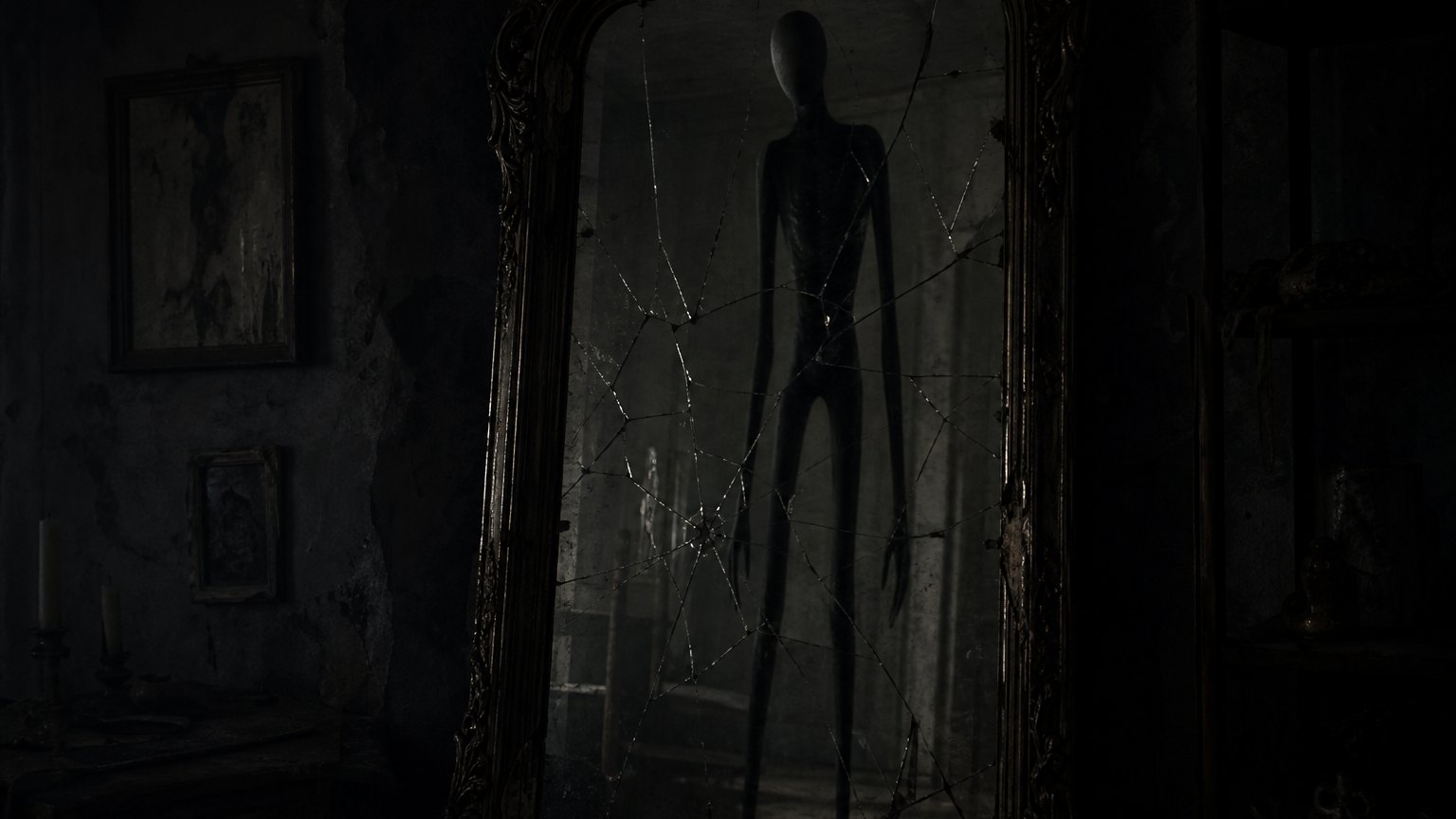
In a move that suggests a commitment to preserving the unique tonal identity of the original work, series creator Alex Kister has been tapped to direct the feature film. This decision aligns with a broader industry trend where creators of niche digital properties are granted significant creative control to ensure fidelity to the source material’s core aesthetic. Kister will share screenplay duties with Tyler Clifton, a pairing that aims to balance the intimate, psychological horror of the original episodes with the structural demands of a theatrical narrative.
Spielberg’s involvement as producer adds a layer of institutional gravity to the project. His name signals a level of confidence and resources that will likely transform the series’ minimalist approach into a high-production-value spectacle. The question remains whether the intimate, creeping terror of analog distortion can survive the transition to a major studio budget, or if the adaptation will lean into more conventional horror tropes to satisfy broad audience expectations.
The Future of Digital Horror
The Mandela Catalogue has long been cited as a prime example of how independent creators can disrupt the horror landscape through online platforms. Its success has paved the way for other digital-native properties to seek major studio deals. This adaptation, however, stands out due to the sheer scale of the production entities involved. The involvement of Spielberg and Amazon MGM Studios suggests a recognition that the horror genre’s future may lie in bridging the gap between grassroots internet culture and traditional cinematic distribution.
As the industry watches this project unfold, the challenge for Kister and Clifton will be to maintain the eerie, uncanny atmosphere that made the original series a cult favorite. The film’s success or failure may well serve as a benchmark for how major studios navigate the adaptation of digital horror, balancing artistic integrity with commercial ambition. For now, the horizon of horror cinema has expanded, with Spielberg and Amazon leading the charge into the uncanny valley of analog terror.
Comments (3)