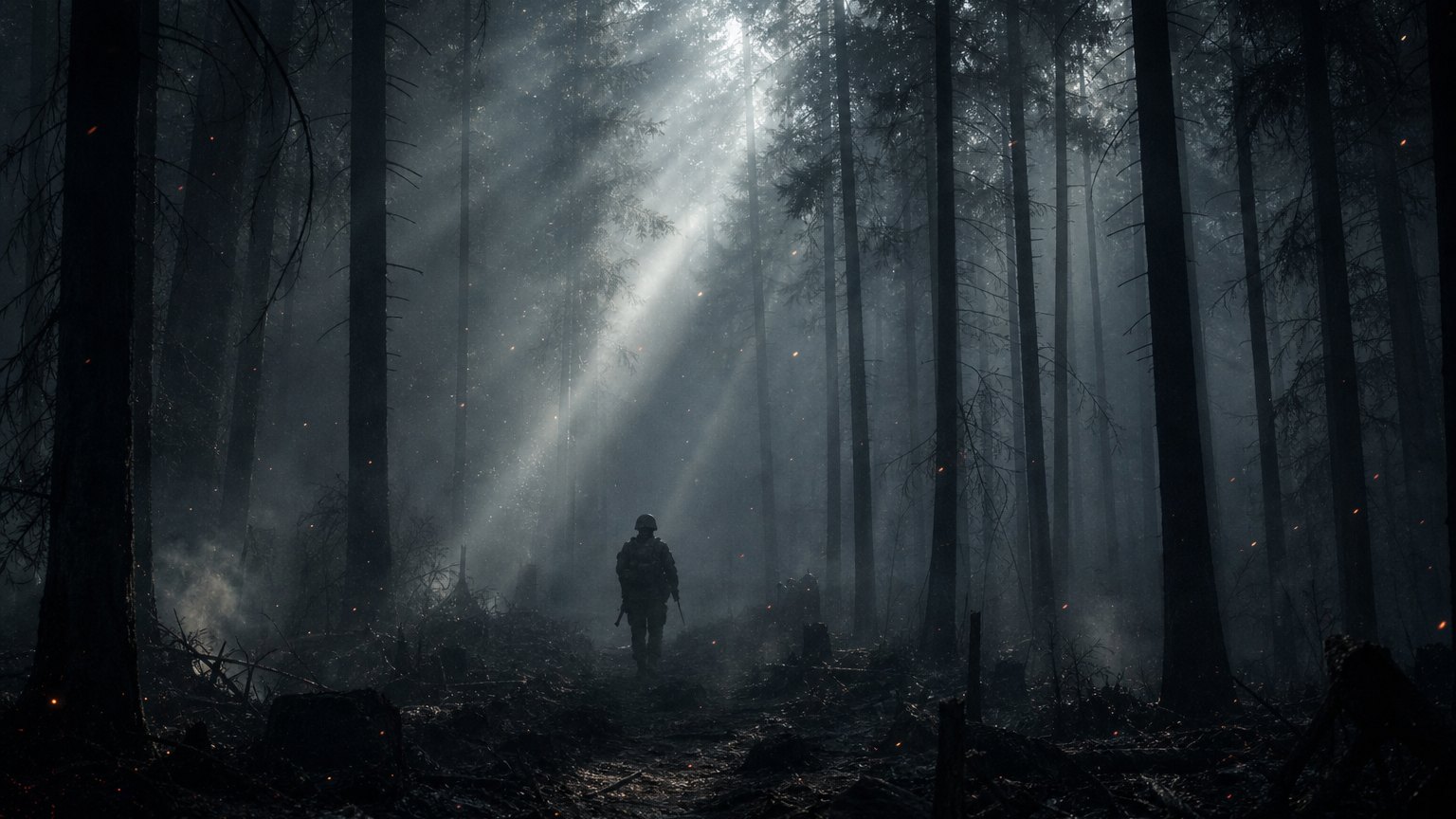
LOS ANGELES — In a move that underscores the ongoing convergence of streaming capital and established genre auteurs, Netflix has acquired the rights to Play Dead, a World War II survival thriller directed by Jaume Collet-Serra. The deal, first reported on April 20, 2026, represents a significant addition to the platform’s slate of high-concept historical dramas, positioning the director’s signature tension within the broader context of wartime cinema.
The Collet-Serra Factor
Collet-Serra has long cultivated a reputation for mastering claustrophobic suspense, a skill set honed during his tenure on the Unknown series and applied with varying degrees of success in studio tentpoles like Black Adam. Here, however, the scope is more intimate, grounded in the visceral immediacy of survival. The acquisition suggests Netflix is willing to invest in the director’s ability to translate psychological dread into atmospheric visual storytelling, a niche where he has previously demonstrated considerable aptitude.

The narrative premise, while kept deliberately vague in early reports, centers on the harrowing realities of the European theater. By casting Matthias Schweighöfer and Noah Jupe, the production aims to anchor the film’s emotional stakes through a dual perspective that likely bridges the gap between seasoned combatants and the innocence lost to conflict. Schweighöfer brings a rugged international credibility to the role, while Jupe, known for his nuanced portrayals of youthful trauma in films like A Quiet Place, offers a sensitive counterweight to the surrounding violence.
A Raimi-Produced Endeavor
Perhaps the most notable aspect of the acquisition is the production pedigree. The film is shepherded by Sam Raimi, Rob Tapert, Akiva Nemetsky, Keaton Heinrichs, J. D. Lifshitz, Raphael Margules, and Dane Eckerle. Raimi’s involvement, through his Ghost House Pictures banner, adds a layer of industry weight that often signals a blend of commercial viability and genre homage. For Raimi, whose career spans from the punk-rock energy of The Evil Dead to the operatic scope of Doctor Strange, producing a gritty WWII thriller represents a return to grounded, character-driven horror-adjacent narratives.
The presence of Tapert and the rest of the producing team indicates a collaborative effort rooted in efficient, high-impact filmmaking. Their track record suggests a project that prioritizes pacing and visual impact over expository dialogue, a trait that aligns well with Netflix’s current appetite for bingeable, visually striking content.
Implications for the Industry
This acquisition highlights a broader trend in the streaming landscape: the gradual erosion of boundaries between traditional historical drama and thriller genres. By securing Play Dead, Netflix is not merely acquiring a film; it is investing in a specific type of cinematic experience—one that leverages the prestige of its cast and crew to deliver a product that feels both timeless and urgently contemporary. As the industry continues to grapple with content saturation, projects like this offer a reminder that compelling storytelling, regardless of its historical setting, remains the most valuable currency in the marketplace.
Comments (18)