LOS ANGELES — The horror landscape is currently undergoing a period of significant structural realignment, with established auteurs testing the boundaries of genre conventions across disparate mediums. In this context, the announcement that Dan Trachtenberg will direct Freddy the 13th for Paramount Animation signals a deliberate and stark departure from his recent trajectory. Scheduled for a theatrical release on October 13, 2028, the project represents a calculated tonal shift for the filmmaker, moving from the gritty, adult-oriented violence of his live-action work into the stylized, family-friendly arena of animation.
The Architecture of a Tonal Pivot
Trachtenberg has built a formidable reputation within the industry through films that emphasize atmospheric dread and kinetic brutality, most notably Prey and his recent contributions to the Predator franchise with Predator: Killer of Killers and Predator: Badlands. His live-action approach is characterized by a cold, clinical precision that treats horror as a visceral physical experience. By transitioning to an animated format, he is effectively dismantling the visual language he has spent years refining. This is not merely a change in medium but a fundamental renegotiation of the audience’s contract with fear.
From Visceral to Absurdist
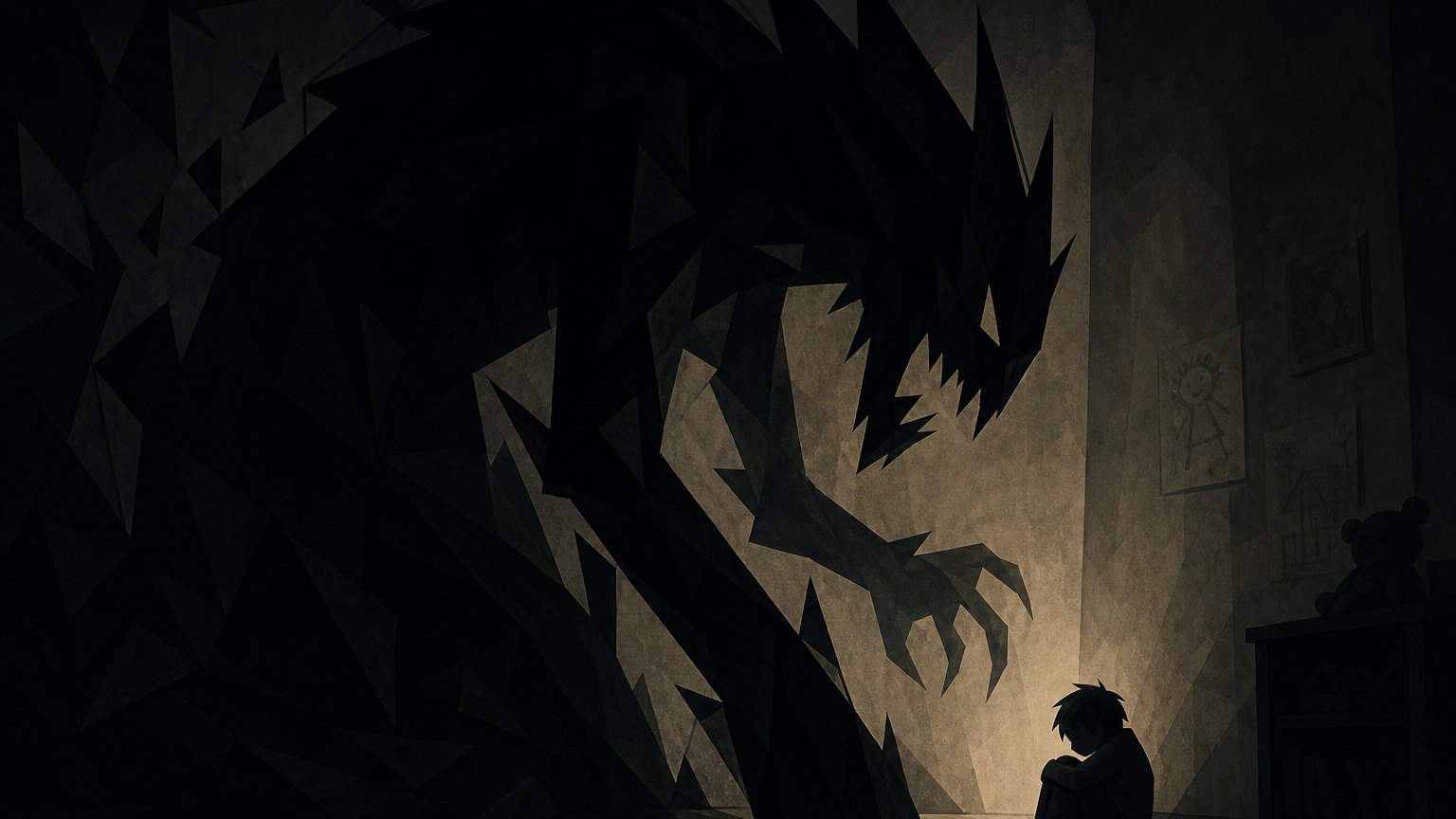
Freddy the 13th is an adaptation of the independent comic book series created by Yehudi Mercado. The narrative premise offers a framework that blends supernatural horror with comedic farce, a combination that has historically proven difficult to balance without sacrificing narrative integrity. The story follows a hapless family man who accidentally kills a legendary slasher known as Nighty Night, subsequently inheriting the killer’s powers. This inciting incident traps the protagonist in a bizarre custody arrangement; during a thirteen-night babysitting stint, he must protect his niece and nephew while navigating cross-country chaos.
The central conflict arises as rival killers vie for the monster throne, creating a pressure cooker environment where domestic responsibility collides with supernatural warfare. Trachtenberg’s involvement suggests an attempt to infuse this animated satire with the same structural rigor found in his live-action work. The challenge lies in maintaining the stakes of a slasher narrative while adhering to the constraints of a family-friendly animated format. It is an ambitious endeavor that requires the director to suppress his instinct for gore in favor of tension and character-driven absurdity.
Industry Implications
For Paramount Animation, the acquisition of a project helmed by a director of Trachtenberg’s caliber indicates a strategic effort to elevate the prestige of its horror-adjacent catalog. It suggests a recognition that modern audiences are increasingly receptive to genre-blending narratives that refuse to adhere to traditional categorizations. Whether this experiment succeeds in bridging the gap between adult horror sensibilities and animated accessibility remains to be seen. However, the October 2028 release date places it in a competitive window, demanding that the final product justify the significant shift in Trachtenberg’s artistic portfolio. The industry will be watching closely to see if the director can translate his mastery of dread into a language of cartoonish peril without losing the essential horror core.

Comments (3)