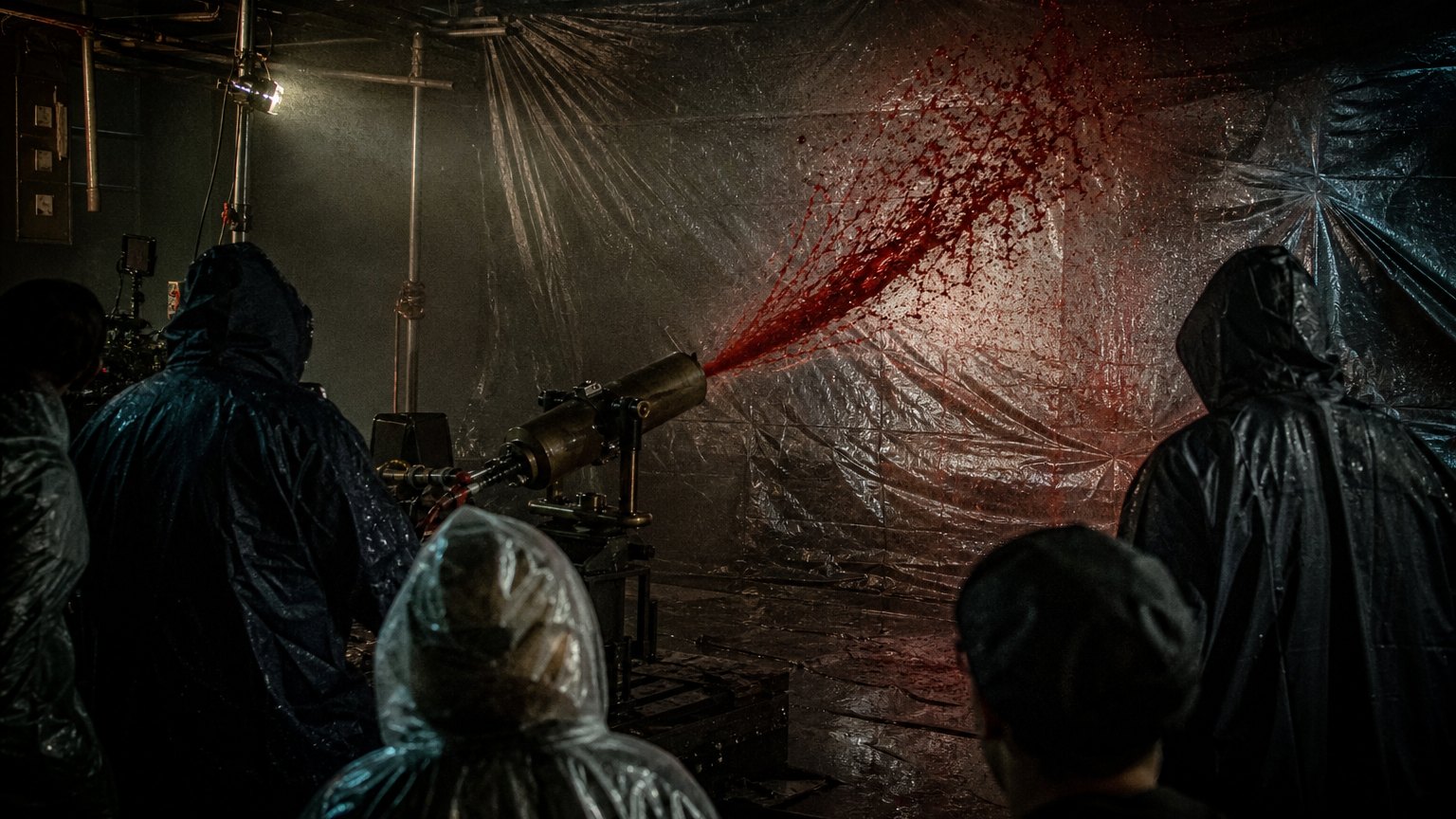
There is a moment on every low-budget horror set that no amount of software has ever replaced: the take stops, the crew exhales, and somebody has to towel a gallon of fake blood off a camera housing. It is messy, slow, and expensive in exactly the ways producers hate — and audiences can feel the difference from the third row or the smallest phone screen.
Gore Wars, a new unscripted reality competition series now in development, is betting the genre's future on that mess. The series has opened a nationwide casting call for practical effects artists and independent horror filmmakers, with competitors on the show battling for a $10,000 grand prize. Auditions are open now at gorewars.com, and casting closes August 20, 2026.
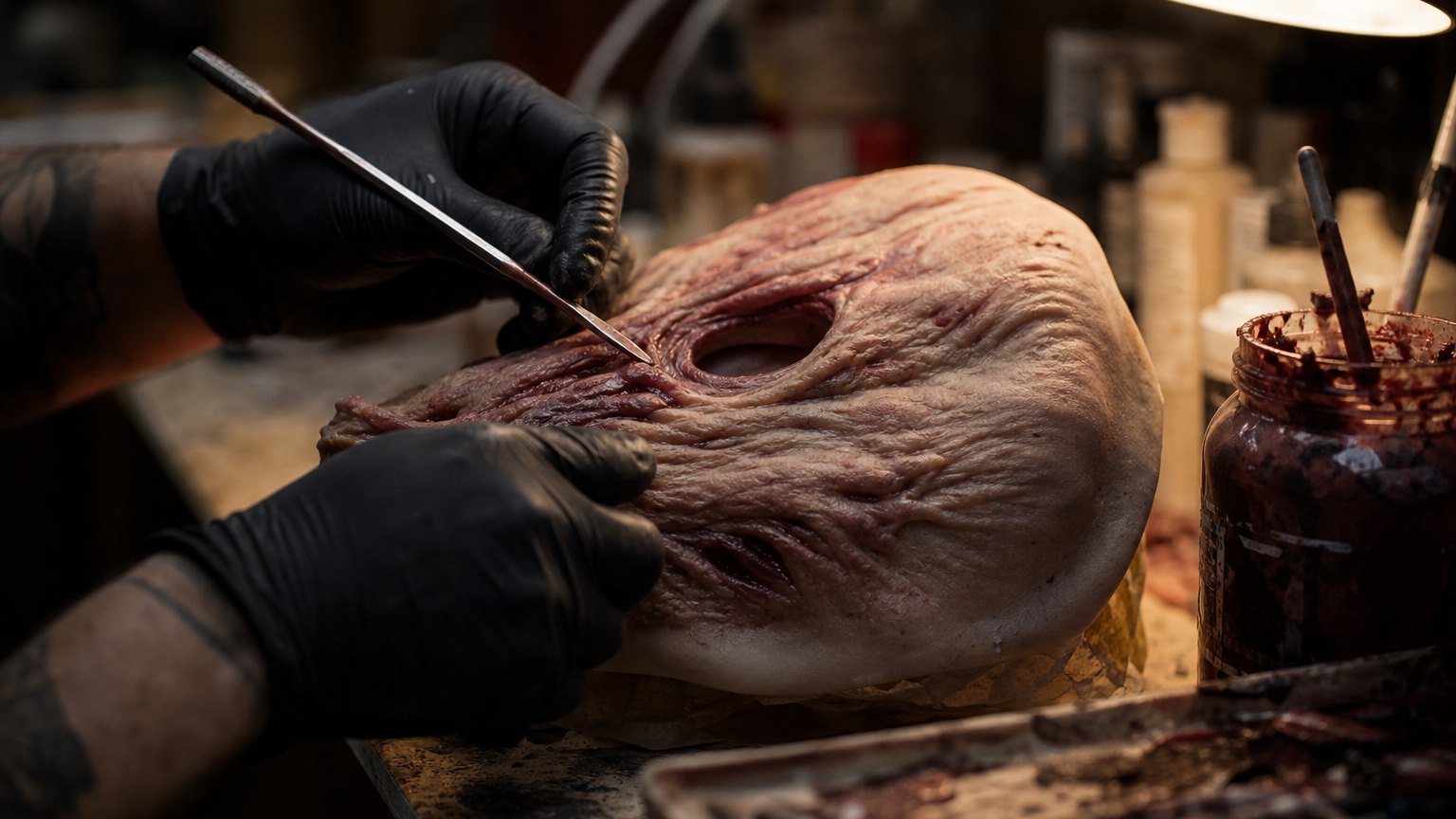
The pitch is blunt, and the rules are blunter: practical effects only. No computer-generated imagery. No generative AI. If it bleeds on camera, something on set actually bled — pneumatically, most likely.
The Audition Is the Point
Unlike open casting calls that ask for headshots and a personality reel, Gore Wars is asking applicants to prove the craft up front. The audition is a single 90-second tape in two movements: a 30-second introduction of the artist or team, followed by a 60-second original horror scene built to showcase the applicant's practical effects skills — their own concept, their own rig, their own blood.
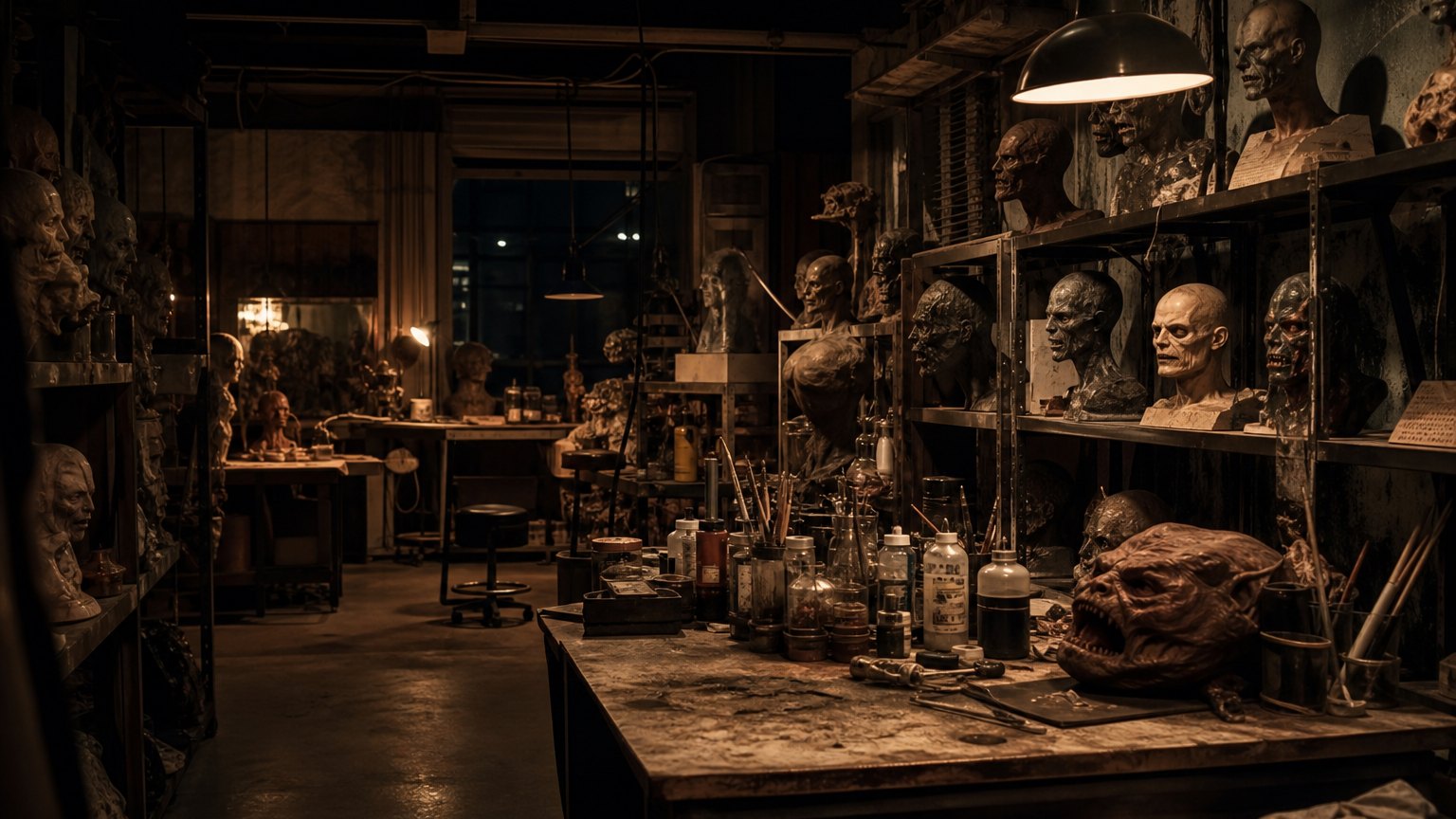
That format functions as a filter. A convincing wound gag, a working splatter cannon, a creature that holds up in close-up — none of it can be faked in an hour with a plugin. The tape requirements read like a practical artist's manifesto: the scene must be the applicant's original work, it must contain no copyrighted music, and it must use no AI or CGI of any kind.
If it bleeds, it bleeds for real. The craft is the audition.
Why Practical Effects Are Having a Moment
The timing is not an accident. The most talked-about horror successes of the past few years have been built on latex, silicone, and corn syrup. Damien Leone's Terrifier 2 — an independent film made for a reported budget of around a quarter of a million dollars — became a word-of-mouth phenomenon at the box office in 2022 largely on the reputation of its practical gore set pieces, and its sequel pushed the same handmade approach even further. Coralie Fargeat's The Substance rode its prosthetic transformations to an Academy Award for makeup and hairstyling. Decades on, the melt scenes in The Thing and the flying eyeball gags of Evil Dead II are still being screened, studied, and stolen from — while much of the digital gore of the 2000s already looks like a video game cutscene.
Practical work ages well because it obeys physics. Light lands on it. Actors flinch at it. And in an era when audiences are increasingly suspicious of what is real on screen at all, "we actually built it" has become horror's most persuasive marketing line.
The Indie Pipeline Problem
What a competition series changes is the economics of being seen. Practical effects artists have traditionally come up through one of two doors: apprenticeships in a shrinking number of professional shops, or years of unpaid proof-of-concept work on shorts and haunt builds hoping a producer notices. Meanwhile independent horror — the genre's actual farm system, the place where the Evil Deads and Terrifiers come from — runs on exactly these people, usually paid in credit and pizza.
A televised arena with a cash prize does for the splatter shop what the baking-show boom did for pastry: it puts a working-class craft in front of an audience that had no idea how it was done, and it gives its practitioners a stage that is not a convention hall. For the artists, $10,000 is real money in a discipline where an entire short film's effects budget is often less. For the audience, it is a chance to watch the trick and the reveal in the same hour.
Drawing a Line in the Blood
The series' no-AI rule may prove to be its most discussed provision. The genre is currently in an open argument with itself about generative tools — over AI-assisted posters, digitally "enhanced" gore, and the creeping automation of jobs that used to belong to sculptors and painters. Gore Wars planting its flag on the practical side of that line — no AI, no CGI, in the rules of the audition itself — reads as a statement of values as much as a format choice: the show is not just about gore, it is about who makes it and how.
How to Get on the Show
- What: Casting for a reality competition series; competitors on the show vie for a $10,000 grand prize
- Who: Practical effects artists and horror filmmakers — US residents, 18+, solo or teams
- The tape: Exactly 90 seconds — a 30-second introduction, then a 60-second original horror scene showcasing your practical effects skills
- The rules: Practical effects only (no AI, no CGI) · no copyrighted music · your original work · up to 3 tapes per person or team
- Deadline: August 20, 2026, 11:59 PM CT
- Where: gorewars.com — upload the tape directly on the site
Producers review every submission, and selected applicants will be contacted directly. The production has been explicit that the tape is a casting audition rather than a contest entry — the $10,000 is the prize on the series itself.
Whether Gore Wars becomes the genre's next great proving ground will depend, as always, on the talent that shows up. But the premise alone is a small act of preservation: a show that pays the people who make horror bleed for real, at a moment when doing it the hard way has never been easier to skip. The rigs are out there in garages from Tennessee to Tacoma. Somebody just offered to point a camera at them.
Disclosure: Gore Wars is produced by Screamify, a sister company of Horror Dispatch's parent. Casting details verified against the official terms at gorewars.com/rules.
Comments (4)