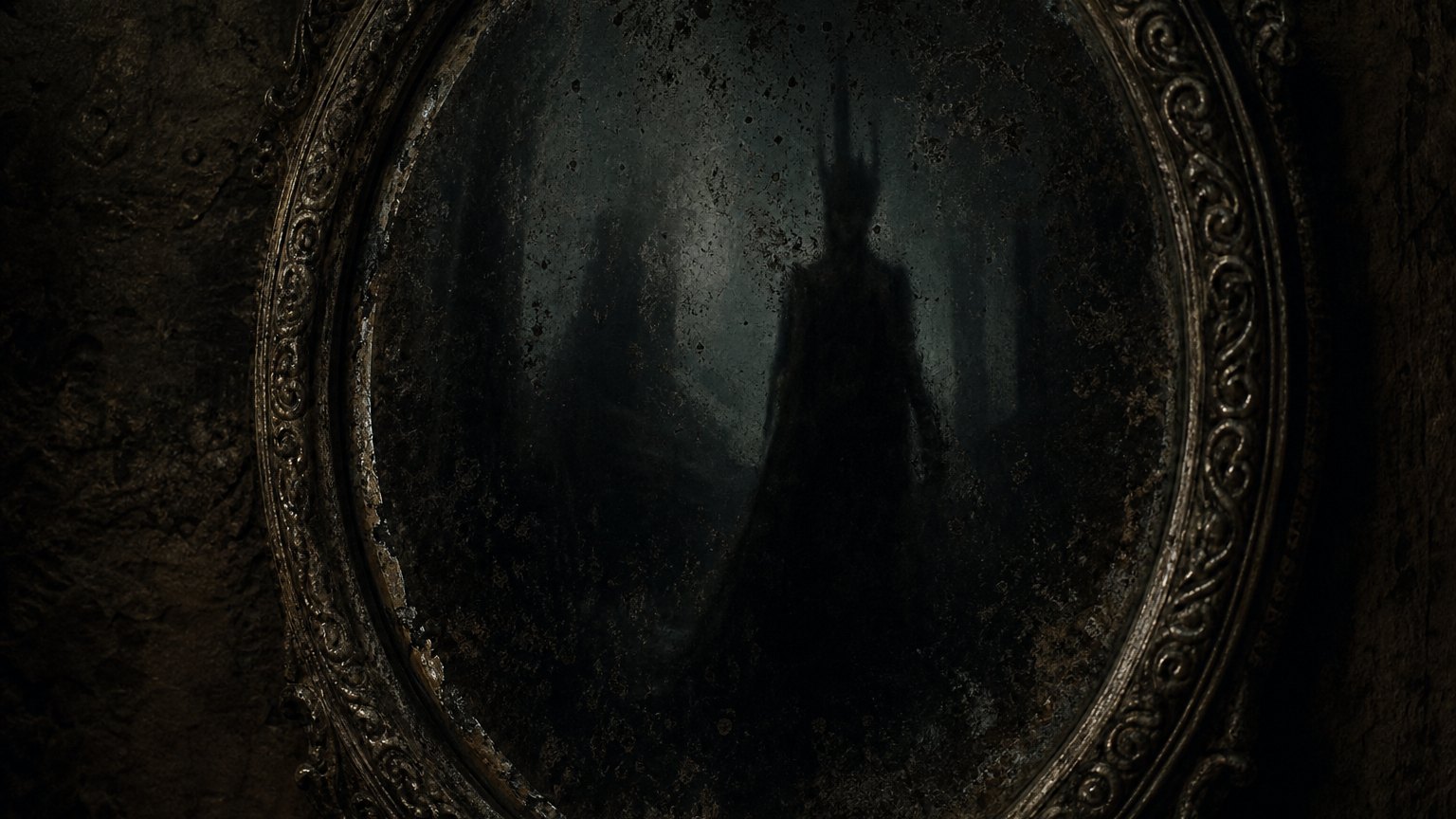
LOS ANGELES — The horror genre is currently undergoing a subtle but significant shift away from jump-scare-driven spectacle toward atmosphere-laden, character-driven narratives rooted in folklore and theatrical tradition. Into this vein steps 'The Dybbuk,' a new feature that promises to translate the existential dread of S. Ansky’s seminal 1913 play into a modern cinematic language. The film recently concluded principal photography in Los Angeles, marking the feature directorial debut of Lee Amir-Cohen, who also co-wrote the screenplay with Ashley Bua.
A Spiritual Crisis in Contemporary Guise
At the center of the narrative is Rabbi Azrael, a role assumed by Steve Guttenberg. Far removed from his comedic legacy, Guttenberg portrays a spiritual leader and mystic tasked with a harrowing duty. The plot unfolds when a dead man’s spirit possesses a young woman within his congregation, forcing Azrael to engage in a dangerous exorcism that threatens to unravel his own sanity and faith. The production has framed the story not merely as a supernatural thriller, but as a meditation on grief, belief, and the fragility of the human soul when confronted with the unknown.
The supporting cast adds considerable weight to this spiritual drama. Beth Grant, recognized for her role in 'No Country For Old Men,' embodies Frayda, the grandmother of the possessed girl. Her performance is expected to anchor the film’s emotional core, providing a gritty, grounded perspective on the family’s descent into terror. Joining her is Craig Bierko, known for 'Cinderella Man,' who plays Sender, the father. Together, the trio forms a fragile unit against an invisible, malevolent force, creating a dynamic that relies heavily on interpersonal tension rather than gratuitous gore.
The Weight of Adaptation
Adapting 'The Dybbuk' is no small feat. Ansky’s original work is a cornerstone of Jewish folklore, dealing with the concept of a wandering spirit that inhabits the living. Amir-Cohen and Bua have chosen to strip away some of the play’s more archaic linguistic structures while retaining its core thematic questions. The result is a contemporary horror film that feels both urgent and timeless. By setting the story in a modern context, the filmmakers aim to explore how religious and spiritual crises manifest in today’s secular world.
The decision to shoot in Los Angeles, a city often associated with the glitz of Hollywood, provides an interesting juxtaposition to the dark, introspective nature of the story. It suggests that the horrors depicted are not confined to remote villages or ancient ghettos, but can infiltrate any community, anywhere. As 'The Dybbuk' moves into post-production, industry observers are watching closely to see how Amir-Cohen balances the theatrical roots of the source material with the visceral demands of modern cinema. It is a risky proposition, but one that could yield a haunting and memorable addition to the horror canon.
Comments (3)