LOS ANGELES — The post-nuclear genre has long served as a canvas for examining human nature stripped of its societal veneers. In the upcoming action-horror feature Parish, director Adam Sigal returns to this terrain with a narrative that prioritizes psychological weight over spectacle. Starring Nicolas Cage, the film is currently securing its international footprint through world pre-sales handled by Concourse Media, positioning the project as a significant entry in the indie horror landscape.
The Architecture of Isolation
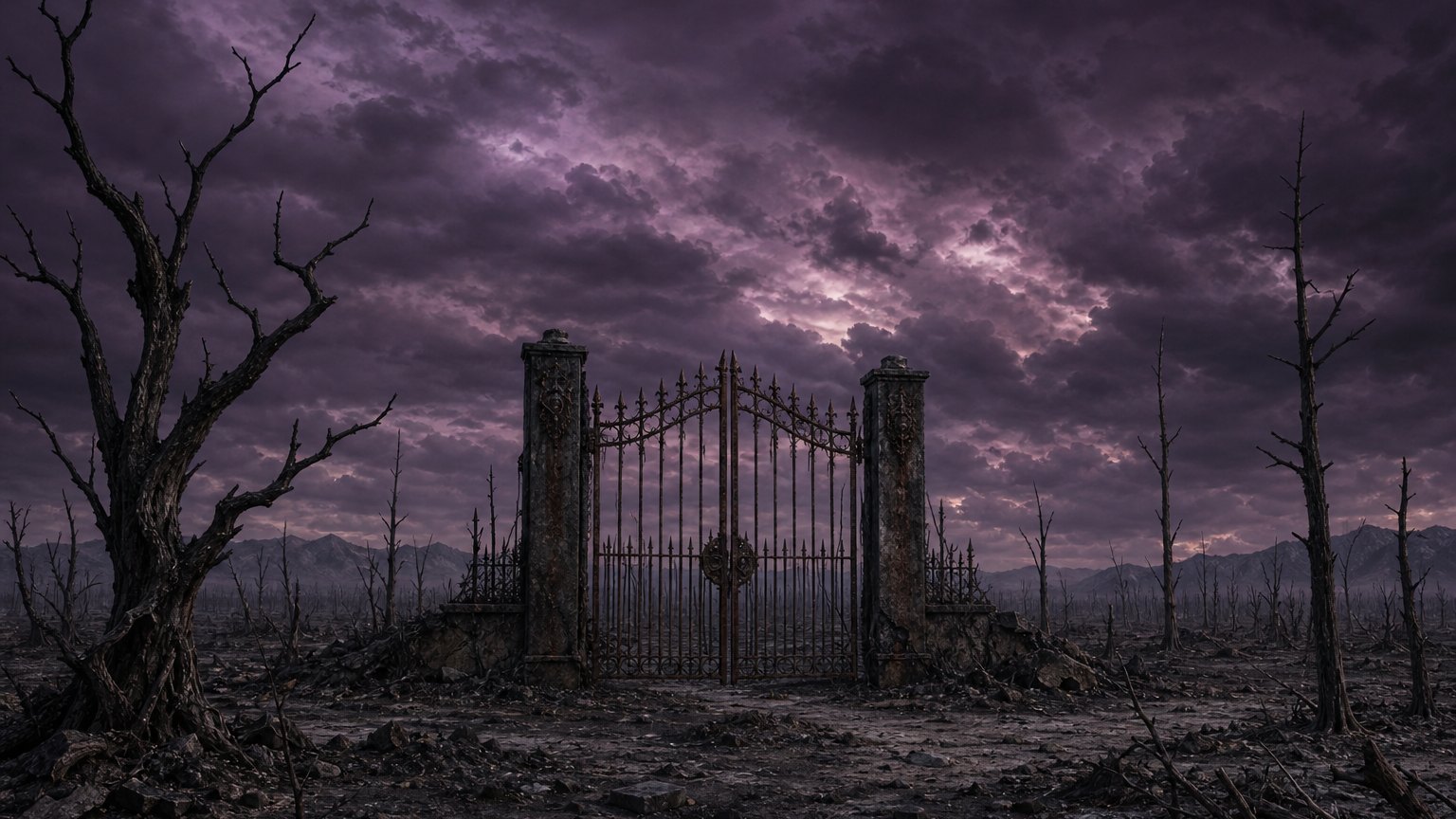
The story unfolds thirty years after a cataclysmic nuclear event has rendered the world uninhabitable for conventional society. Cage plays a protagonist who has survived by adhering to an uncompromising code of isolation. His existence is defined by a fortified compound, a sanctuary maintained through rigorous discipline and protected by trained attack dogs. This environment has sustained him for three decades, serving as both a physical shield and a psychological prison.
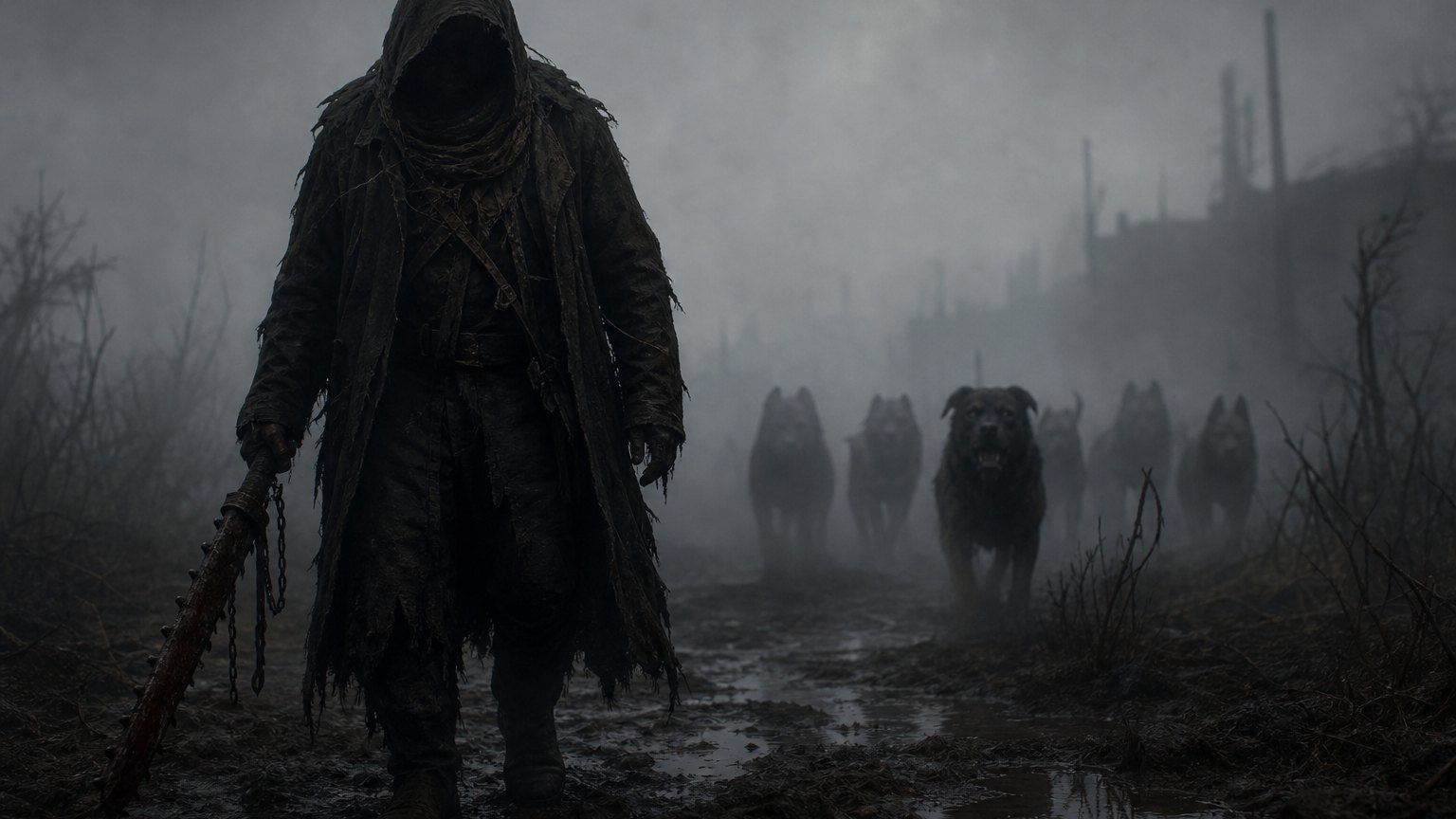
The narrative tension begins to mount when a woman carrying an infant arrives at the gates of this fortified space. For the protagonist, whose identity is inextricably linked to his seclusion, the decision to allow entry represents a catastrophic breach of his security protocols. This single act of mercy or curiosity unravels the careful balance he has maintained, drawing the attention of a hostile group of cannibals who roam the desolate wasteland.
A Savage, Human-Centric World
Producers describe Parish as a visceral, high-stakes survival thriller that leverages emotional intensity to drive its horror elements. The film does not rely solely on gore or jump scares; instead, it uses the threat of cannibalism to explore themes of trust, desperation, and the erosion of morality in extreme conditions.
Matthew Shreder of Concourse Media has highlighted the production's scale and its potential for theatrical distribution, noting that the film’s grounded approach to the apocalypse resonates with contemporary audiences weary of fantastical disaster narratives. The focus remains tightly on the human cost of survival.
Producer Joel Shapiro praised Sigal’s directorial vision, specifically noting the filmmaker’s ability to construct a world that is both savage and deeply human. Sigal, known for his work on Nandor Fodor and the Talking Mongoose, brings a distinctive sensibility to the genre, blending supernatural undertones with gritty realism. In Parish, the horror is not just external; it is internal, stemming from the protagonist’s inability to maintain the walls he has built around himself.
As pre-sales continue, industry observers are watching Parish as a testament to the enduring power of character-driven horror. It suggests that even in a world stripped of civilization, the most terrifying monsters are often those we invite in ourselves.


Comments (3)