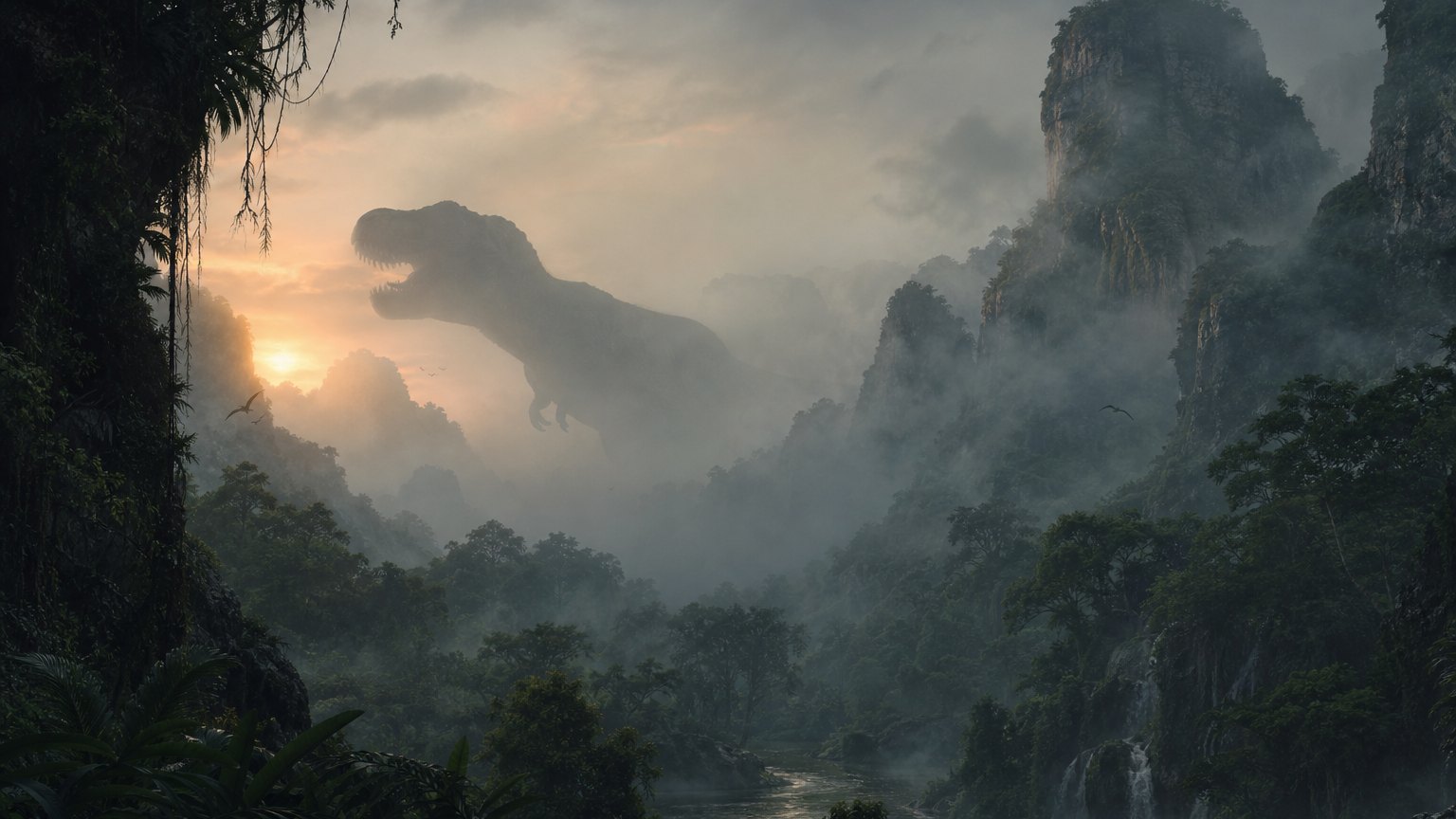
LOS ANGELES — In an industry where franchise stability is often treated as a commodity, the shifting directorial hands behind the Jurassic World saga have always signaled a deeper creative turbulence. The latest development in this ongoing negotiation is the emergence of J.A. Bayona as the leading candidate to direct the upcoming sequel to Jurassic World Rebirth. This move is not merely a staffing change; it is a continuation of a specific artistic trajectory that has defined the franchise’s recent evolution.
Gareth Edwards, who directed the 2025 release Jurassic World Rebirth, has stepped down from the sequel project. His departure clears the path for Bayona, the director of Jurassic World: Fallen Kingdom, who is now considered the frontrunner. For those tracking the franchise’s tonal history, this is a significant confirmation of the shift away from the traditional park-based storytelling that defined the early entries.
The narrative focus has moved decisively into the wild, emphasizing monster-movie elements over the controlled environment of the theme park. This pivot, initiated in Fallen Kingdom and solidified in Rebirth, treats the dinosaurs not as exhibits, but as autonomous forces of nature. The return of the principal cast, including Scarlett Johansson, Mahershala Ali, and Jonathan Bailey, suggests an intention to maintain narrative continuity within this new, more hazardous landscape.
Although the sequel does not yet have an announced release date, the industry context suggests that this is a deliberate consolidation of the 'wild' aesthetic. By bringing Bayona back, the studio is signaling that the franchise’s future lies in the tension between human intrusion and primal wilderness, rather than returning to the safety of the park. It is a calculated risk that prioritizes atmospheric dread over spectacle, a choice that aligns with the broader indie and festival trends favoring grounded, character-driven horror.

Comments (3)