
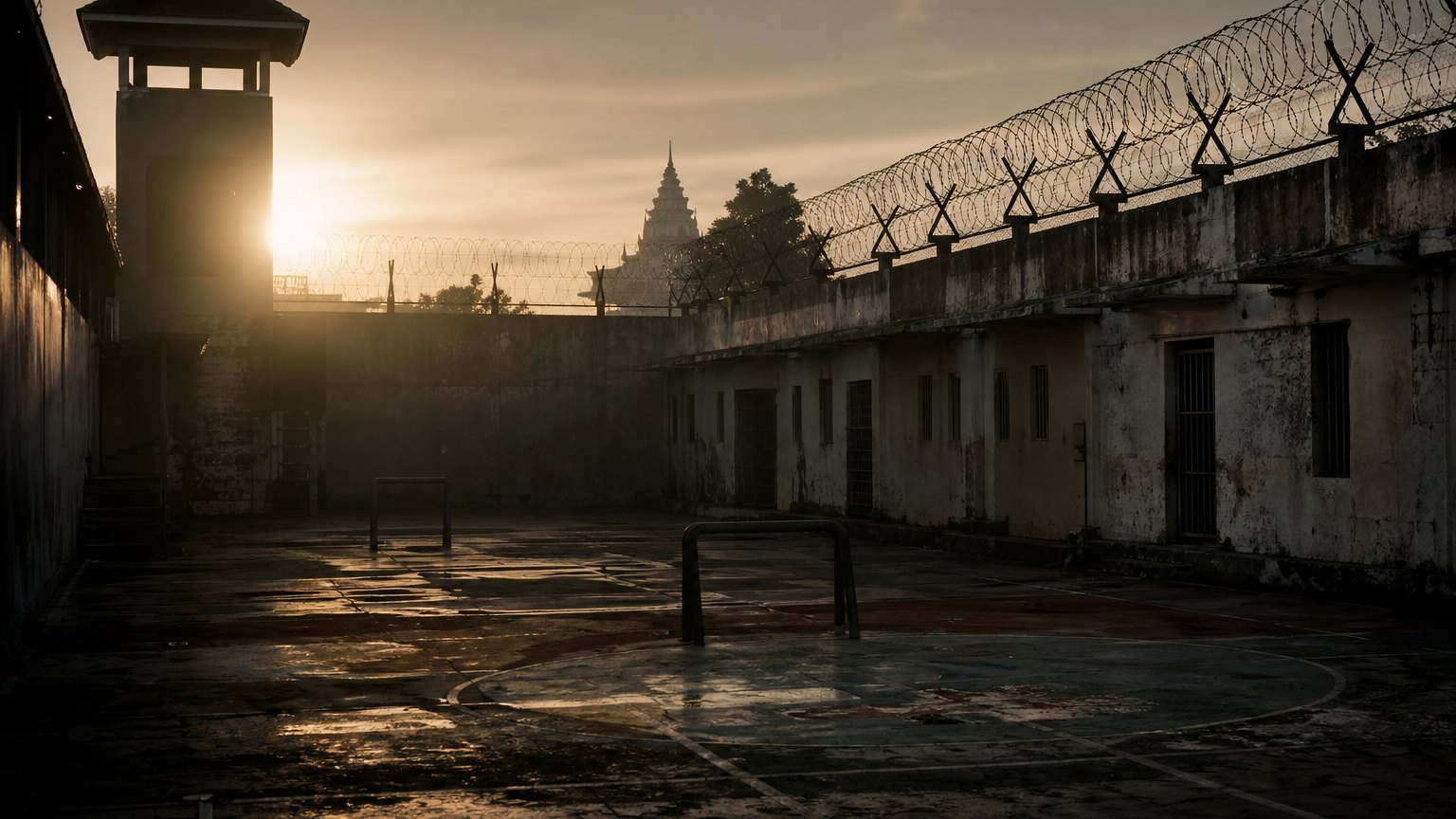
When Ghost in the Cell had its world premiere in the Forum section of the 76th Berlin International Film Festival this past February, it arrived carrying more than the usual festival expectations. Joko Anwar's twelfth feature — which he wrote and directed — is set in Labuan Angsana, conjured as one of Indonesia's worst prisons, where a supernatural entity begins hunting the inmates carrying the "darkest aura," and the mounting deaths push the prisoners, improbably, toward collective action. The Forum has long been Berlin's room for the formally restless and the politically pointed. That a horror film about a haunted prison belongs there at all is the first clue to what Anwar is really up to.
The second clue is in the production. Ghost in the Cell is an Indonesia–South Korea co-production, with producers including Come and See Pictures, Rapi Films, Legacy Pictures, and Barunson E&A — the Korean outfit behind Parasite. Well Go USA, which previously handled Anwar's superhero film Gundala, has taken North American rights ahead of an Indonesian theatrical release in the second quarter of 2026, with a U.S. date still to come.
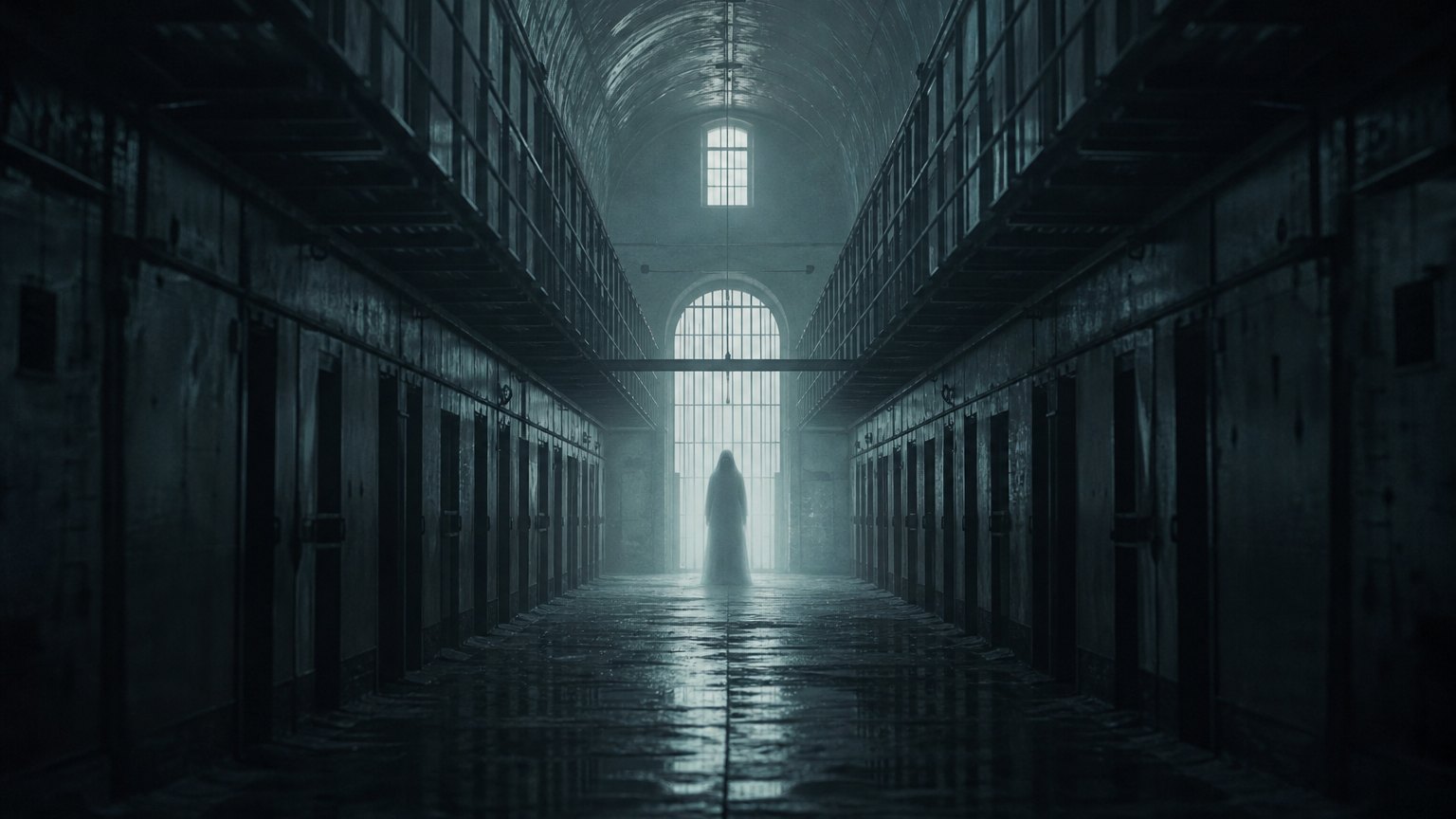
The most prolific horror engine on earth
To understand why a single prison ghost story matters, you have to look at the market that produced it. Indonesia released close to 100 horror films in 2025, and horror routinely sits atop the domestic box office. The numbers behind the genre are not modest. Anwar's own Satan's Slaves drew 4.2 million admissions in 2017; its 2022 sequel, Satan's Slaves 2: Communion, pulled 6.3 million. His Impetigore became Indonesia's official submission for Best International Feature at the 93rd Academy Awards, and Grave Torture landed on Netflix in 2024.
The scale is almost hard to overstate. KKN di Desa Penari, a 2022 horror film directed by Awi Suryadi, became the highest-grossing Indonesian film of all time at roughly 10 million admissions — a record it held until the animated Jumbo finally overtook it on June 1, 2025. Horror, in other words, is not Indonesia's genre niche. For years it was its commercial ceiling.
A ghost with intent
What separates Anwar — the scene's most internationally visible figure — is that he refuses to let the genre stand in for an argument while pretending it is only a scare. The prison is the point. "A prison is like a miniature of the society and it mirrors hierarchy, power dynamics in it, also fear, violence, morality all compressed in one confined space with politeness stripped out," he has said. Inside that compression, justice is unevenly distributed. "Inside a prison, the consequences are immediate," Anwar notes. "However, while everyone is trapped in the same system, not everyone faces equal consequences including punishment."
This is where the film's haunting departs from genre habit. Anwar is adamant that his entity is not a symbol. "The ghost was never meant to represent an idea. It has intent, intelligence, and limits. It chooses its victims. So the ghost isn't a metaphor and becomes an actual character, shaped by trauma and injustice. It doesn't deliver moral comfort. It delivers consequences." The film's comedy, too, is weaponized rather than soothing: "Humor in the film doesn't release tension, it sharpens it. Laughter should come with discomfort."
That posture — horror as an instrument of consequence rather than catharsis — is a fair description of where the wider Indonesian scene seems to be heading: confident enough in its commercial dominance to start asking harder questions of its audience. Anwar offers one himself, about what he wants viewers to carry out of the theater. "I hope they ask themselves who the system is actually designed to protect." A festival doorway, it turns out, opening onto a much larger room.

Comments (4)