
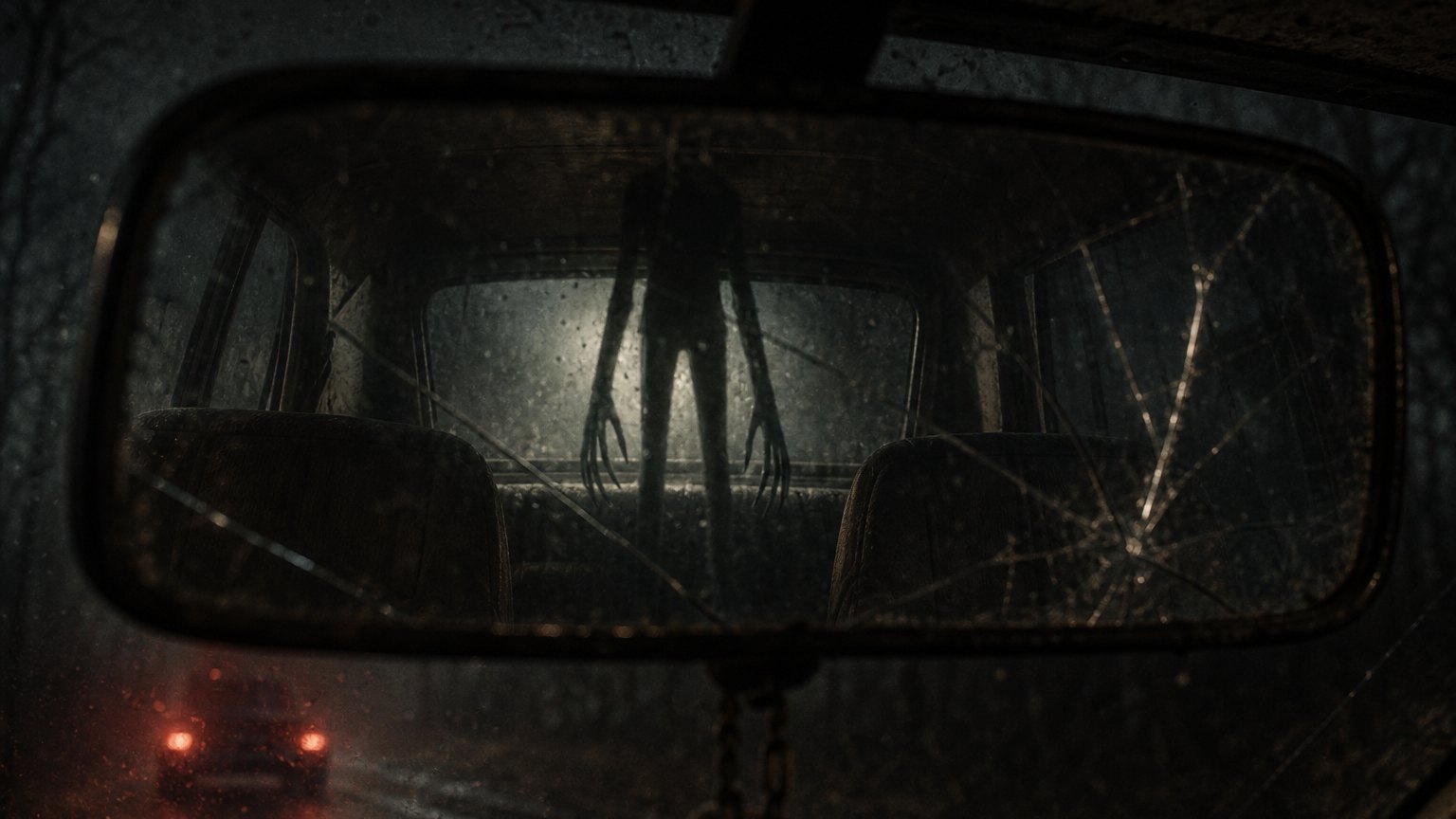
LOS ANGELES — In the annals of horror cinema, few partnerships are as symbiotic as that between Sam Raimi and Stephen King. Their professional rapport, forged in the early 1980s, has often been cited as a cornerstone of modern genre credibility. Now, that legacy is being revitalized. Searchlight Pictures has officially announced its intention to adapt King’s 1996 novel Desperation, with Raimi attached to produce. The directorial reins will be handled by Adam B. Stein and Zach Lipovsky, the duo recently recognized for their work on Final Destination Bloodlines.
A Cinematic Resurrection
The announcement, first reported by Jeff Sneider on The InSneider, marks a significant pivot for the property. While a made-for-television adaptation aired in 2006, featuring notable performances from Ron Perlman, Tom Skerritt, and Steven Weber, the novel’s complex theological and supernatural undertones have long resisted a definitive screen interpretation. The involvement of Raimi, whose 1981 debut The Evil Dead was championed by King, suggests a production aiming for a more visceral and artistically rigorous approach than its television predecessor.
Raimi has frequently acknowledged the weight of King’s endorsement during his early career. The author’s positive review of The Evil Dead is widely credited by Raimi as instrumental in granting the low-budget project legitimacy and saving it from obscurity. This new collaboration feels less like a commercial transaction and more like a passing of the torch within the horror community. It positions Desperation not merely as a sequel to the cultural phenomenon of The Stand, but as a standalone exploration of small-town malice.
The Horror of Highway 50
Desperation centers on a group of travelers stranded on a desolate stretch of Highway 50 in Nevada. Their journey is abruptly interrupted when they are abducted and held captive by Collie Entragian, a town deputy whose demeanor masks a terrifying reality. Entragian is possessed by Tak, an ancient, malevolent entity that feeds on human consciousness and requires a fresh host to sustain its existence. The narrative tension derives from the captives’ desperate attempts to survive and their strategic efforts to trap Tak within the town limits, preventing it from escaping to feed elsewhere.
The novel was published concurrently with The Regulators, a companion piece set in an alternate universe that shares several characters. While The Regulators explores themes of time travel and political satire, Desperation remains firmly rooted in cosmic horror and psychological terror. For Stein and Lipovsky, directing this project offers a chance to move beyond the franchise mechanics of Final Destination and engage with a story that demands atmospheric dread over set-piece spectacle.
Looking Ahead
As Searchlight Pictures moves forward with this adaptation, the industry watches closely. The combination of Raimi’s production pedigree, King’s source material, and the fresh perspective of Stein and Lipovsky suggests a film that could redefine how King’s more obscure works are treated in cinema. The goal is not just to recreate the events of the novel, but to capture the suffocating paranoia and spiritual decay that defines the town of Blue Water. In an era where horror often prioritizes jump scares over substance, this adaptation promises a return to the genre’s darker, more philosophical roots.


Comments (5)