LOS ANGELES — The visual language of Robert Eggers’ new horror film, Werwulf, has taken its first definitive shape in the form of a stark black-and-white poster. Distributed by Focus Features and scheduled for a Christmas Day 2026 theatrical release, the project marks another entry into the director’s canon of meticulously researched, atmospheric terror. Set against the backdrop of 13th-century England, the film promises to translate local folklore into a visceral reality, exploring themes of devotion, damnation, and the pervasive nature of inner evil.
A Sickly Aesthetic
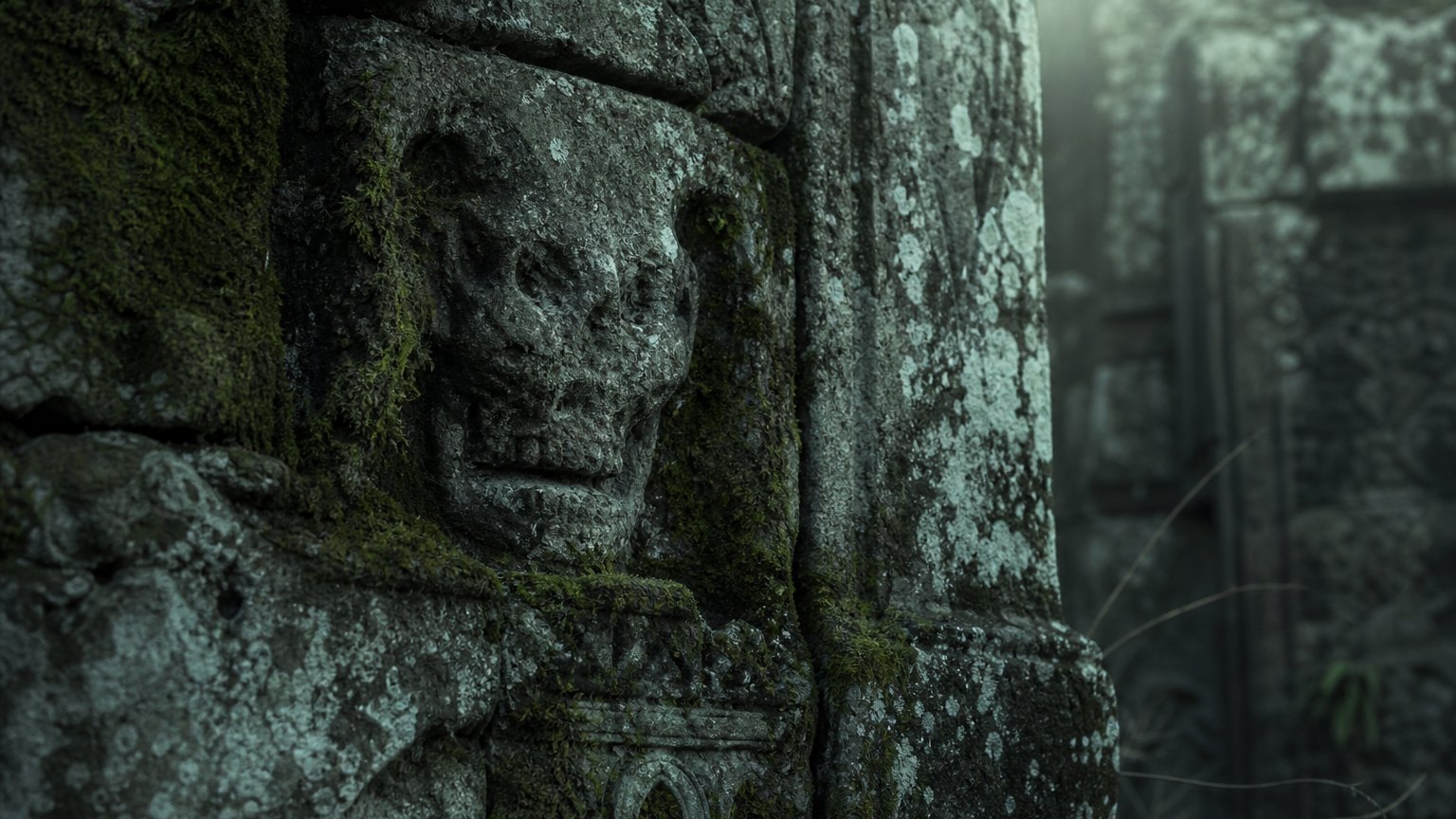
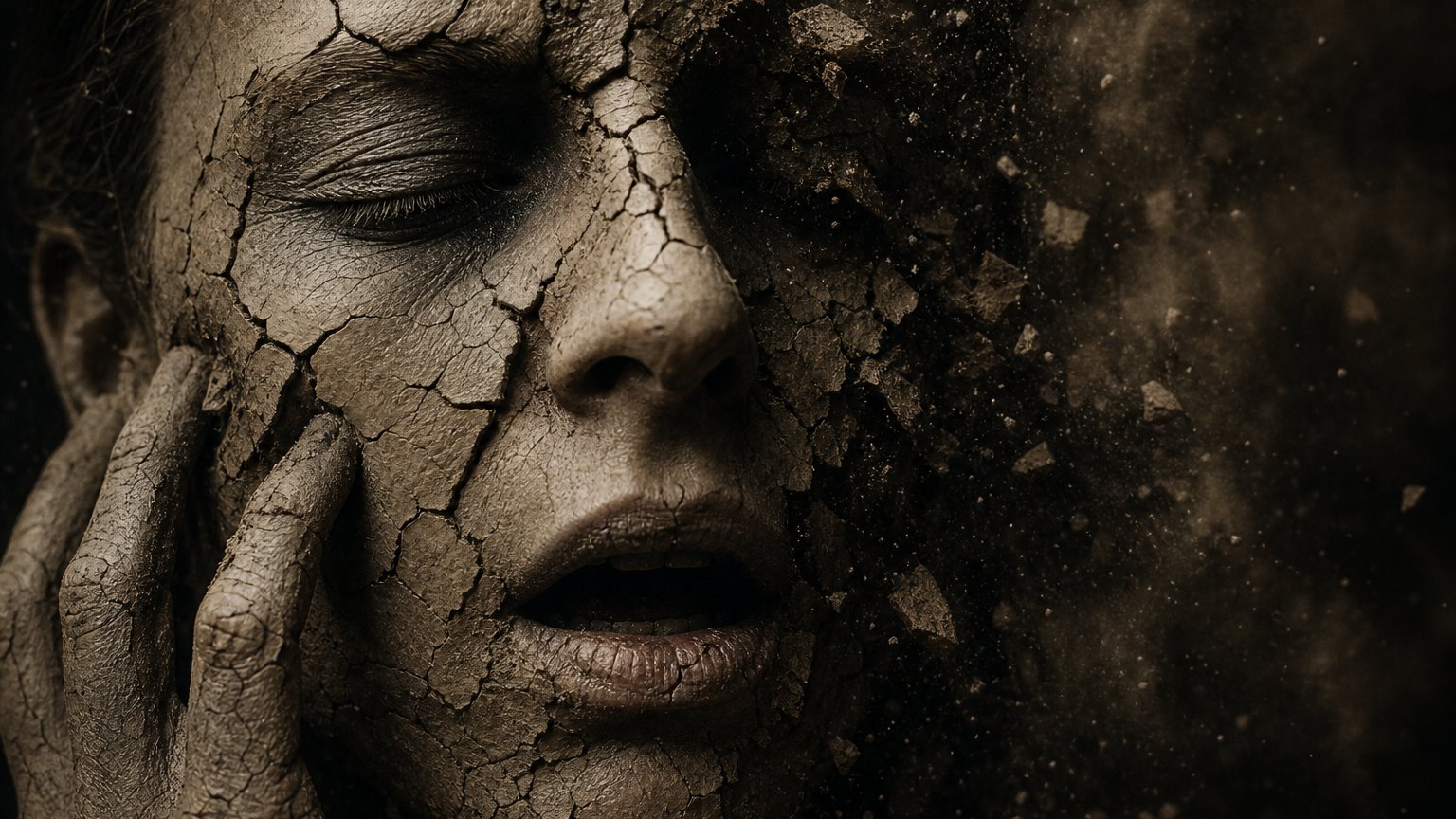
What distinguishes Werwulf from conventional period horror is its technical approach to imagery. Eggers has described the script as the darkest he has ever written, a tonal commitment that extends deeply into the film’s physical production. The movie utilizes 35mm film stock, but it is the post-production treatment that offers the most unique artistic statement. The crew employed a specialized orthochromatic process designed specifically to alter skin tones, rendering them with a sickly, discolored hue that evokes a sense of bodily decay and spiritual corruption.
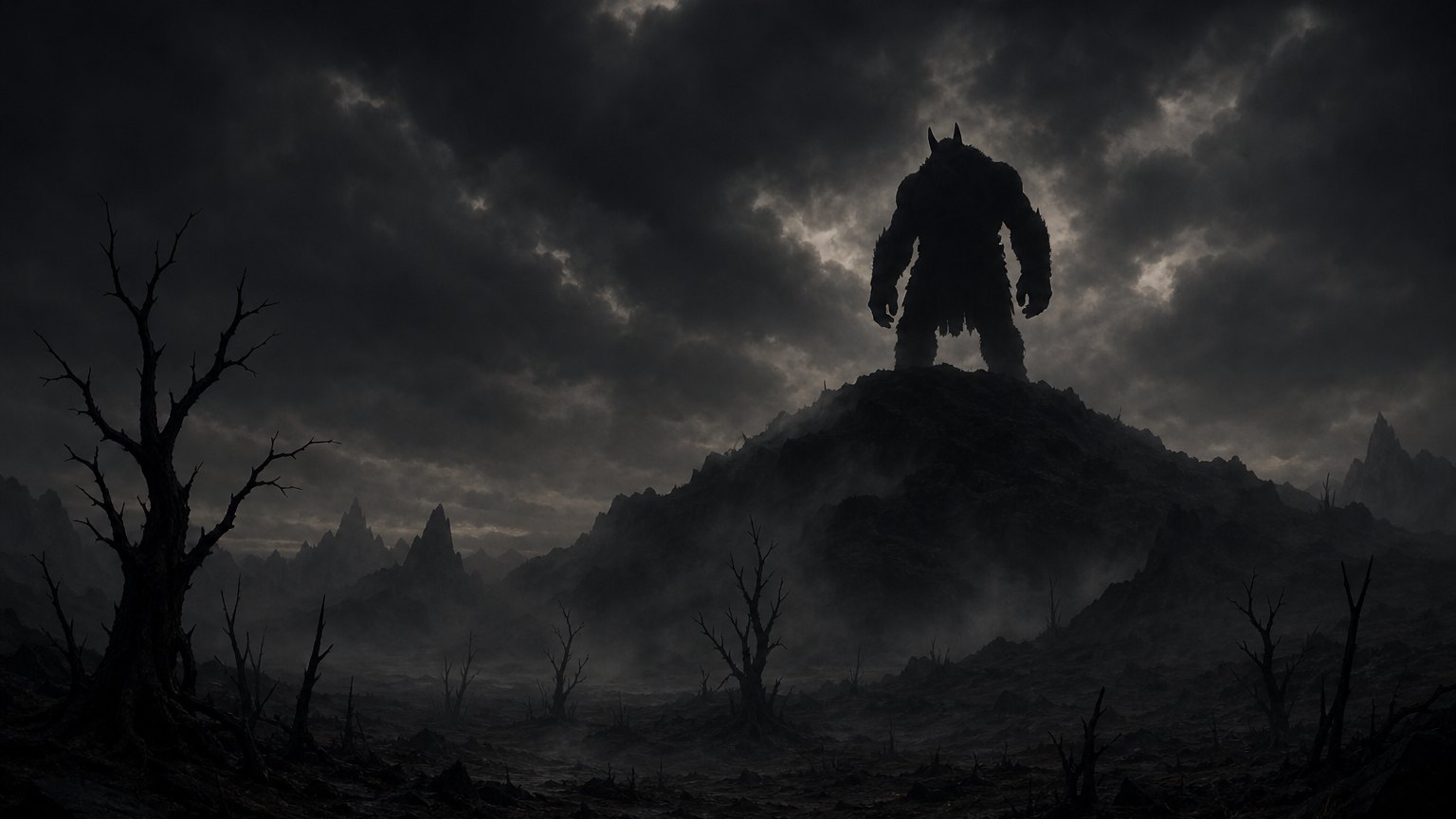
This aesthetic choice is further complicated by the incorporation of the grain structure of black-and-white film onto color footage. The result is a hybrid visual texture that feels both ancient and aggressively artificial. It is a technique that refuses to let the audience rest, ensuring that every frame carries the weight of an archaic nightmare. The official poster, featuring the tagline 'Devoureth All Mankynde', showcases the titular creature in a classic horror visual style, hinting at the primal fear that drives the narrative.
A Cast of Devotion and Damnation
The ensemble cast includes Aaron Taylor-Johnson, Lily-Rose Depp, Willem Dafoe, Ralph Ineson, and Bodhi Rae Breathnach. Their performances will likely need to navigate the oppressive atmosphere created by the film’s unique visual constraints. Eggers’ reputation for demanding, immersive filmmaking suggests that these actors are being placed in a environment where the very light and texture of the world conspire against them.
The release date of December 25, 2026, positions the film as a major event in the horror calendar. For an outlet like Horror Dispatch, which treats the genre with serious cinematic scrutiny, Werwulf represents a significant case study in how technical innovation can serve thematic depth. By forcing skin tones to appear unnatural and layering grain over color, Eggers is not merely creating a spooky atmosphere; he is constructing a visual metaphor for a world where humanity is being stripped away, leaving only the raw, monstrous truth beneath.
As anticipation builds for the film’s arrival, the black-and-white poster serves as a promise of what is to come: a horror experience that is as technically rigorous as it is emotionally devastating. The creature stalking the land in 13th-century England is not just a monster to be defeated, but a manifestation of the era’s darkest superstitions, rendered in a way that feels uncomfortably immediate.

Comments (5)