
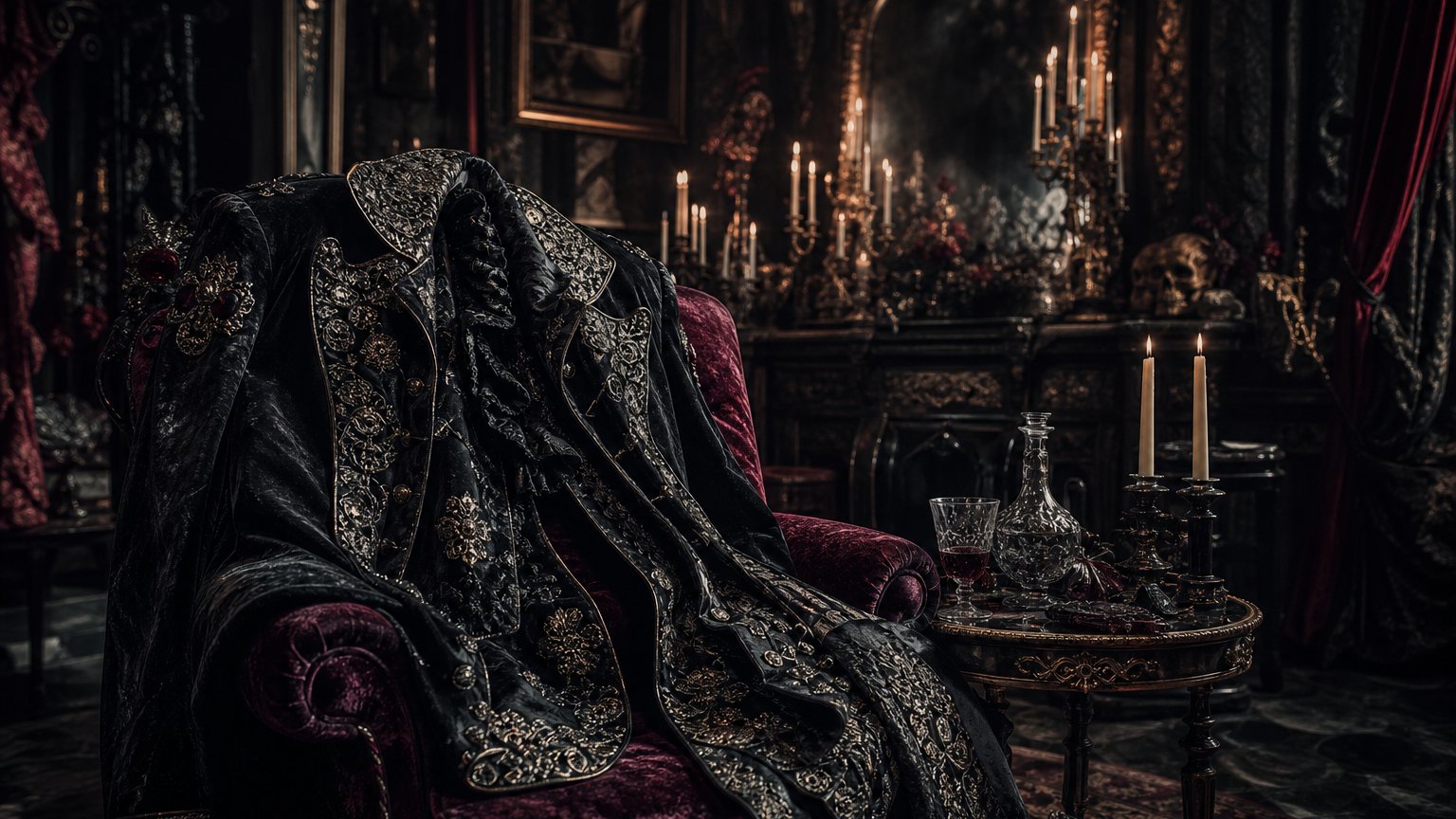
NEW ORLEANS — There is a version of the Anne Rice adaptation that simply films the most famous book and stops. AMC has been building the other version. The third season of "Interview with the Vampire," subtitled "The Vampire Lestat" and premiering June 7 on AMC and AMC+, pivots from Louis's narration to Lestat's own origins and his ascent into a rock star — drawing directly from Rice's second novel and continuing one of the most quietly ambitious franchise-building projects on television.
The series arrived in 2022 to acclaim that surprised people who associated Rice with the glossy 1994 film, and it has sustained that critical standing across seasons by treating the source not as a property to be strip-mined but as a literary world to be inhabited. The shift to Lestat's perspective is faithful to the novels' structure — Rice herself answered "Interview" with "The Vampire Lestat," letting the monster reframe his own myth — and it signals a production confident enough to let its most magnetic character take the wheel.
The Architecture of the Immortal Universe
What separates this from a standard prestige adaptation is the scaffolding. AMC has organized its Rice properties under the banner of an "Immortal Universe," alongside its "Mayfair Witches" series, with the explicit intent of connecting Rice's interlocking mythologies the way she connected them on the page. Rice's novels were always a single cosmos — vampires and witches sharing a history, characters bleeding across books — and AMC is one of the few adapters to take that interconnection as a structural mandate rather than a marketing afterthought.
This is a different model from the cinematic universe template that has dominated the last fifteen years. Where those franchises engineered connective tissue retroactively, Rice's universe came pre-wired. AMC's task is fidelity to an existing architecture, not the invention of one — a meaningfully easier and more coherent proposition, and one that explains why the result has felt earned rather than forced.

AMC's Genre Strategy
The strategic logic is clear for a network that lost its defining tentpole when "The Walking Dead" wound down. A connected literary universe with a passionate, durable fanbase is exactly the kind of asset that anchors a cable-and-streaming service through a turbulent era. The Rice estate's catalog offers years of interlocking material; the challenge is execution, and execution has been the show's strength.
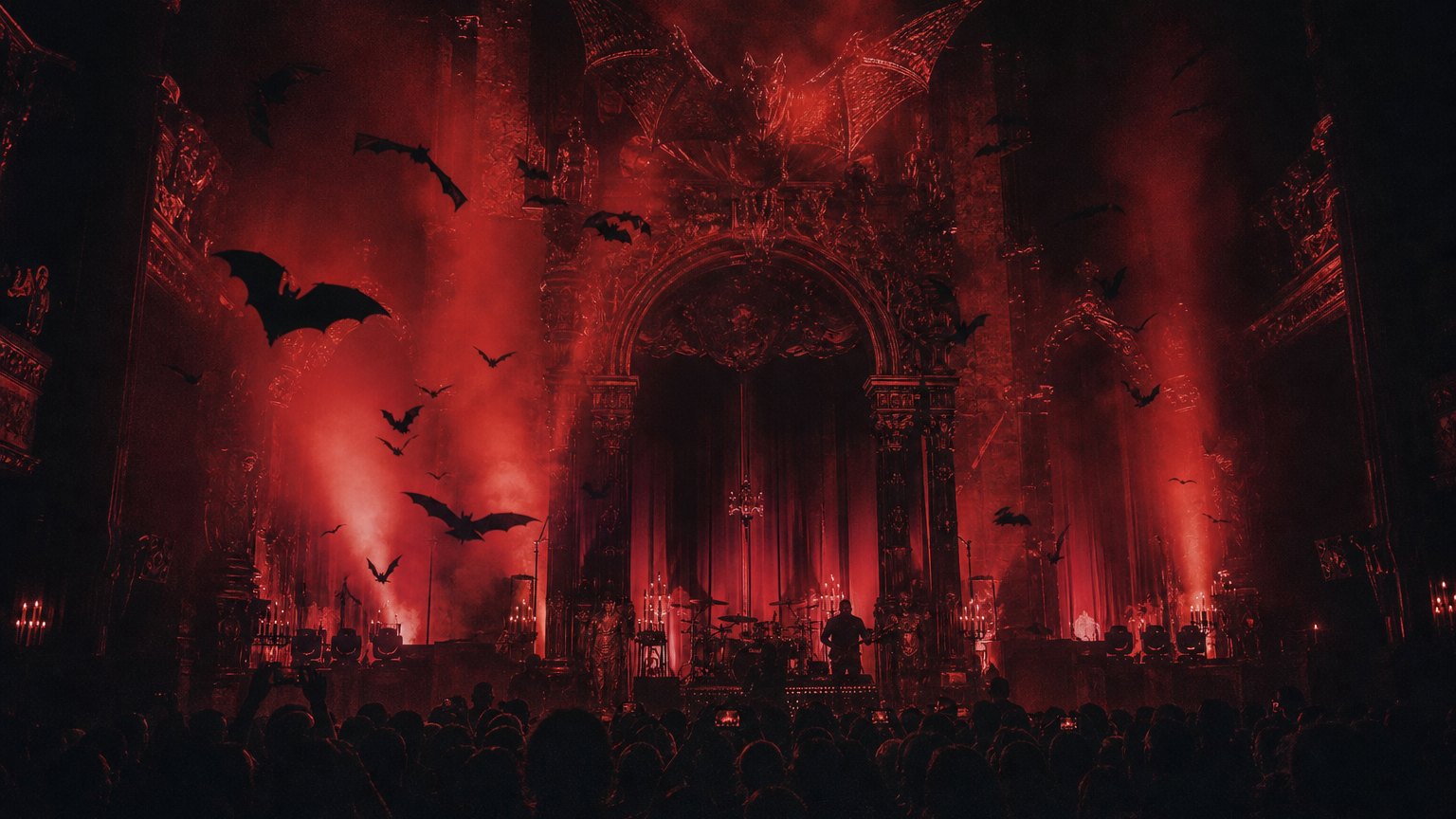
The "Vampire Lestat" turn tests that strength on its hardest subject. Lestat is the franchise's most beloved and most difficult figure — seductive, cruel, theatrical, self-mythologizing — and a season built around his rock-star rise has to make his vanity compelling without flattening it into spectacle. The novels pull this off because Rice lets Lestat narrate his own grandiosity with full self-awareness. Whether the series can reproduce that tone, letting a vampire perform his own legend while quietly undercutting it, is the season's central craft question.
If it succeeds, AMC will have done something rare: built a connected universe out of a real literary one, season by season, without the over-reach that has hollowed out so many franchise projects. The patience is the point. Rice spent decades constructing her cosmos; a network willing to honor that pace, rather than accelerate it into incoherence, may be the only kind that can adapt her at all.

Comments (36)