
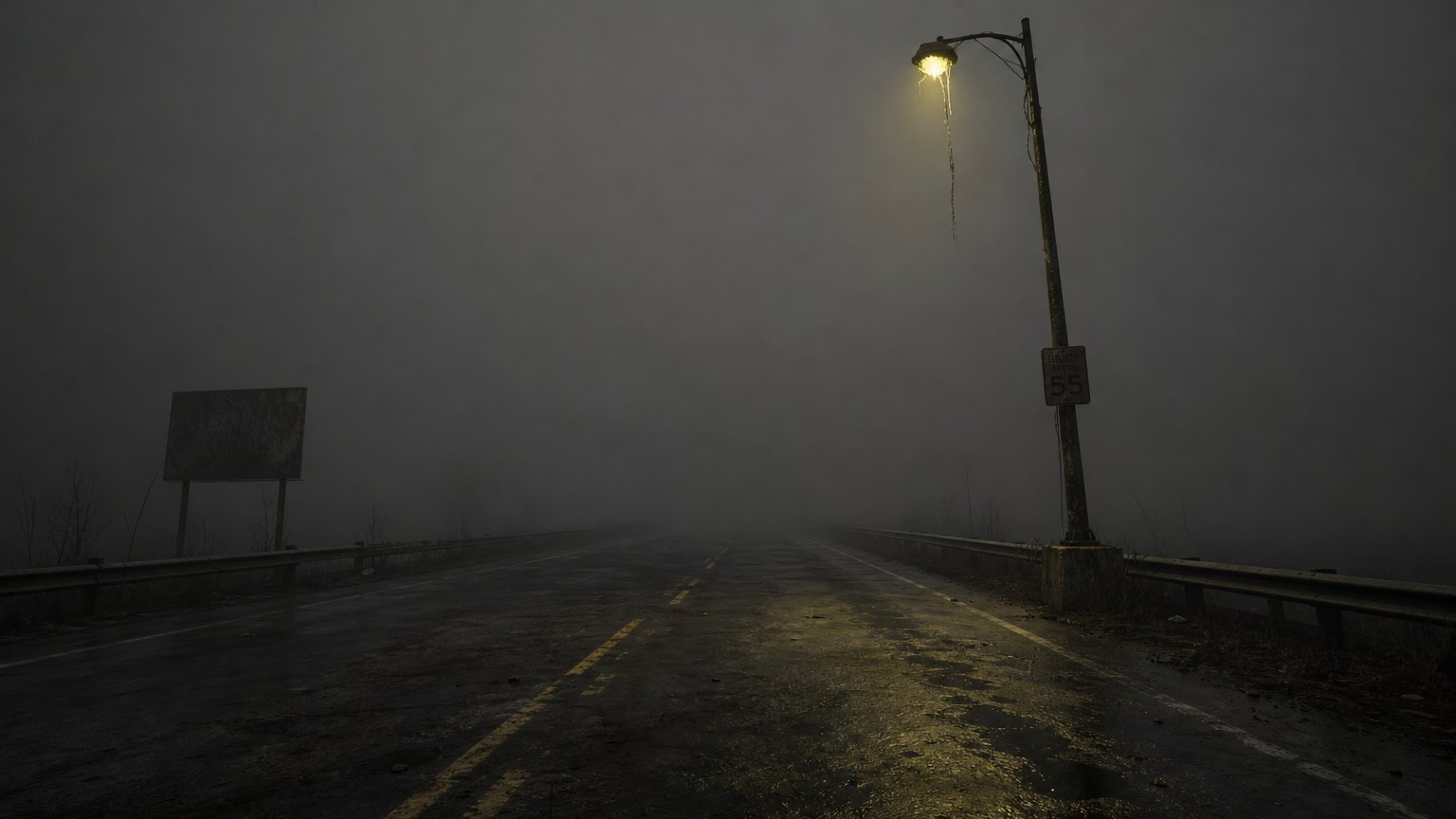
LOS ANGELES — The horror genre has long occupied a precarious position within the cinematic hierarchy, often dismissed as a commercial novelty rather than a legitimate artistic pursuit. However, a quiet revolution is underway in the independent sector, where filmmakers are shedding the constraints of studio mandates to explore the deeper, more unsettling aspects of human psychology. This shift is not merely a reaction to market trends but a deliberate artistic choice to reclaim horror as a vehicle for profound social and existential commentary.
The Retreat of the Majors
For years, major studios treated horror as a low-risk, high-reward proposition, focusing almost exclusively on franchise potential and franchise-friendly tropes. This strategy left a significant gap in the market for films that were too bizarre, too slow, or too intellectually demanding for mainstream audiences. Independent distributors, sensing this opportunity, have begun to curate rosters that prioritize directorial vision over box office guarantees. The result is a surge in films that utilize the genre’s inherent flexibility to explore themes of isolation, grief, and societal decay.
Atmosphere Over Gore
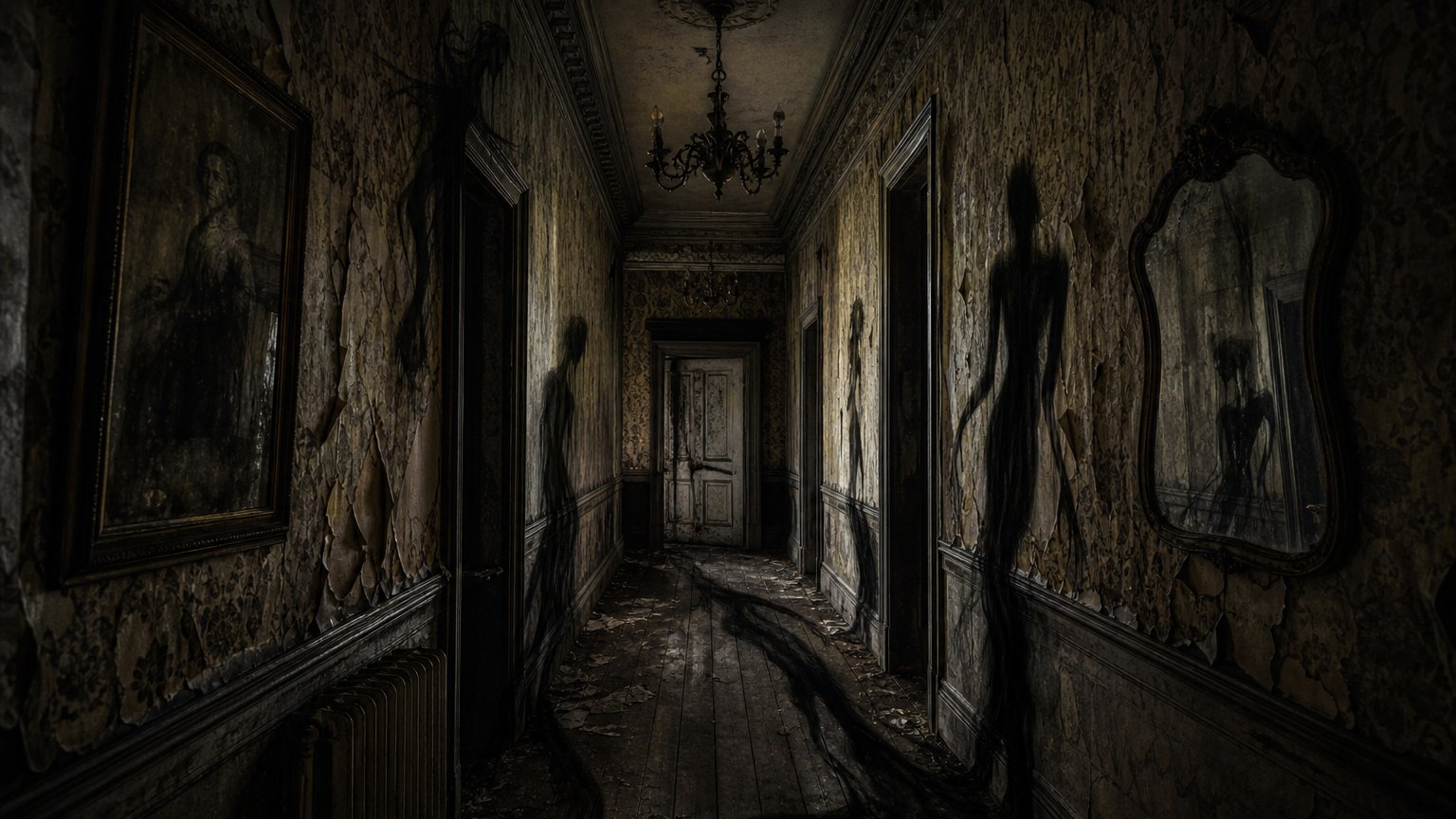
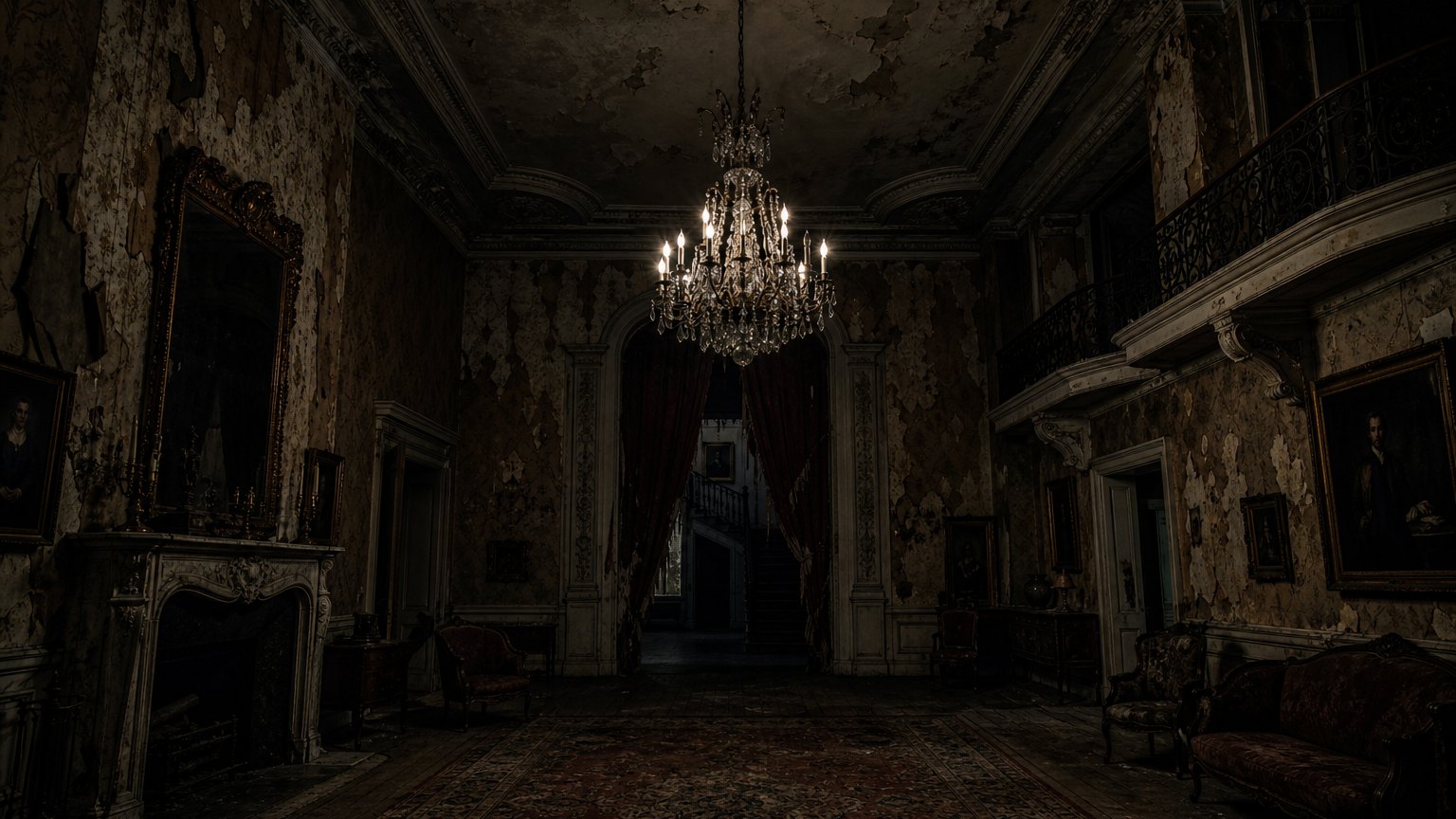
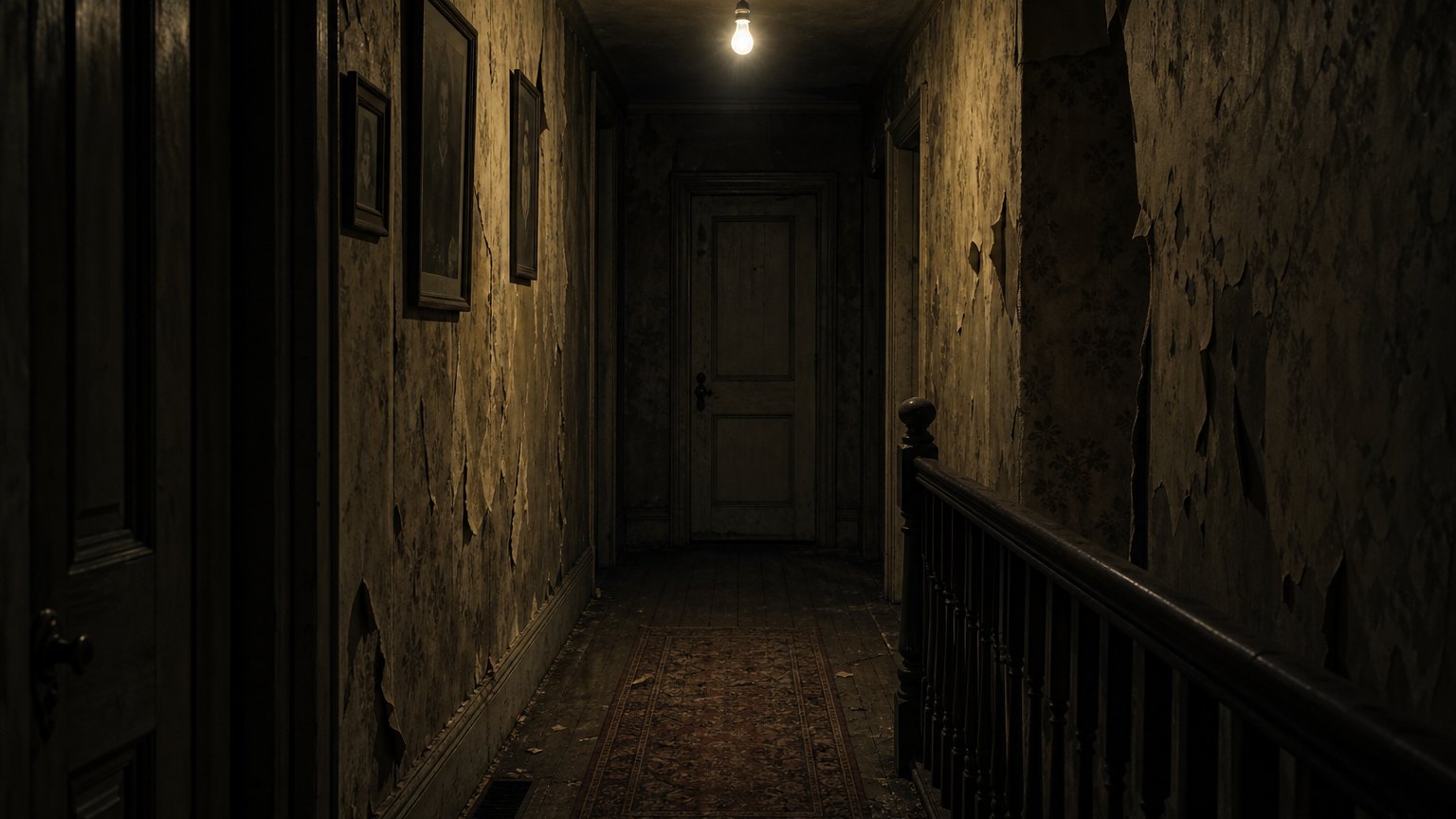
Contemporary indie horror is moving away from the gratuitous violence that characterized much of the genre’s output in the 2010s. Instead, these filmmakers are embracing atmosphere and tension as their primary tools. By focusing on sound design, lighting, and pacing, they create environments that feel inherently wrong, allowing the audience’s imagination to fill in the blanks. This approach requires a higher degree of craft and patience, qualities that are often sacrificed in faster-paced studio productions. The outcome is a cinema that lingers in the mind long after the credits roll, challenging viewers to confront their own fears rather than simply reacting to jump scares.
Festival Circuit as a Launchpad
The festival circuit has become the critical testing ground for these ambitious projects. Events such as Sundance, TIFF, and SXSW are increasingly dedicated to screening horror films that would otherwise struggle to find distribution. This exposure allows indie horror to gain critical acclaim and cult followings, proving that the genre can achieve both artistic merit and commercial viability. Distributors are now more willing to invest in these titles, recognizing that a well-crafted indie horror film can generate significant word-of-mouth buzz and sustained revenue through streaming platforms.
A New Aesthetic
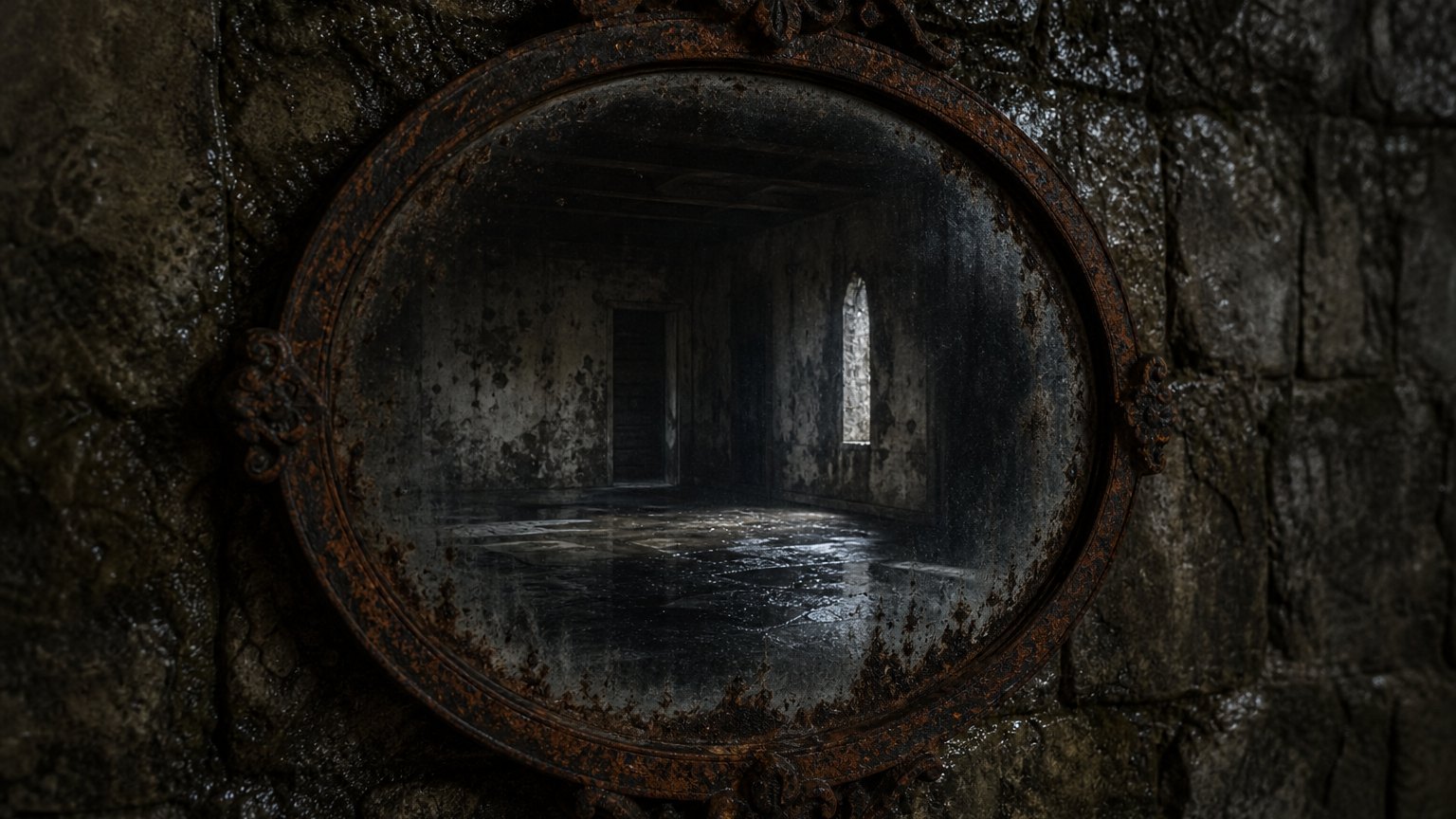
This new wave of horror is also characterized by its visual aesthetic. Many of these films reject the polished, high-contrast look of mainstream cinema in favor of grainy, naturalistic imagery that enhances the sense of realism and unease. By grounding their supernatural or psychological elements in a tangible, lived-in world, these filmmakers create a sense of dread that feels immediate and personal. This aesthetic choice is not just stylistic; it serves to blur the line between the fantastical and the real, making the horror feel more plausible and therefore more terrifying.
As the industry continues to evolve, the distinction between 'horror' and 'arthouse' is becoming increasingly irrelevant. Filmmakers are no longer confined by genre expectations, and audiences are more willing to engage with complex, challenging narratives. This convergence marks a significant milestone for the genre, elevating horror from a niche entertainment to a central pillar of contemporary cinematic expression.
Comments (3)