
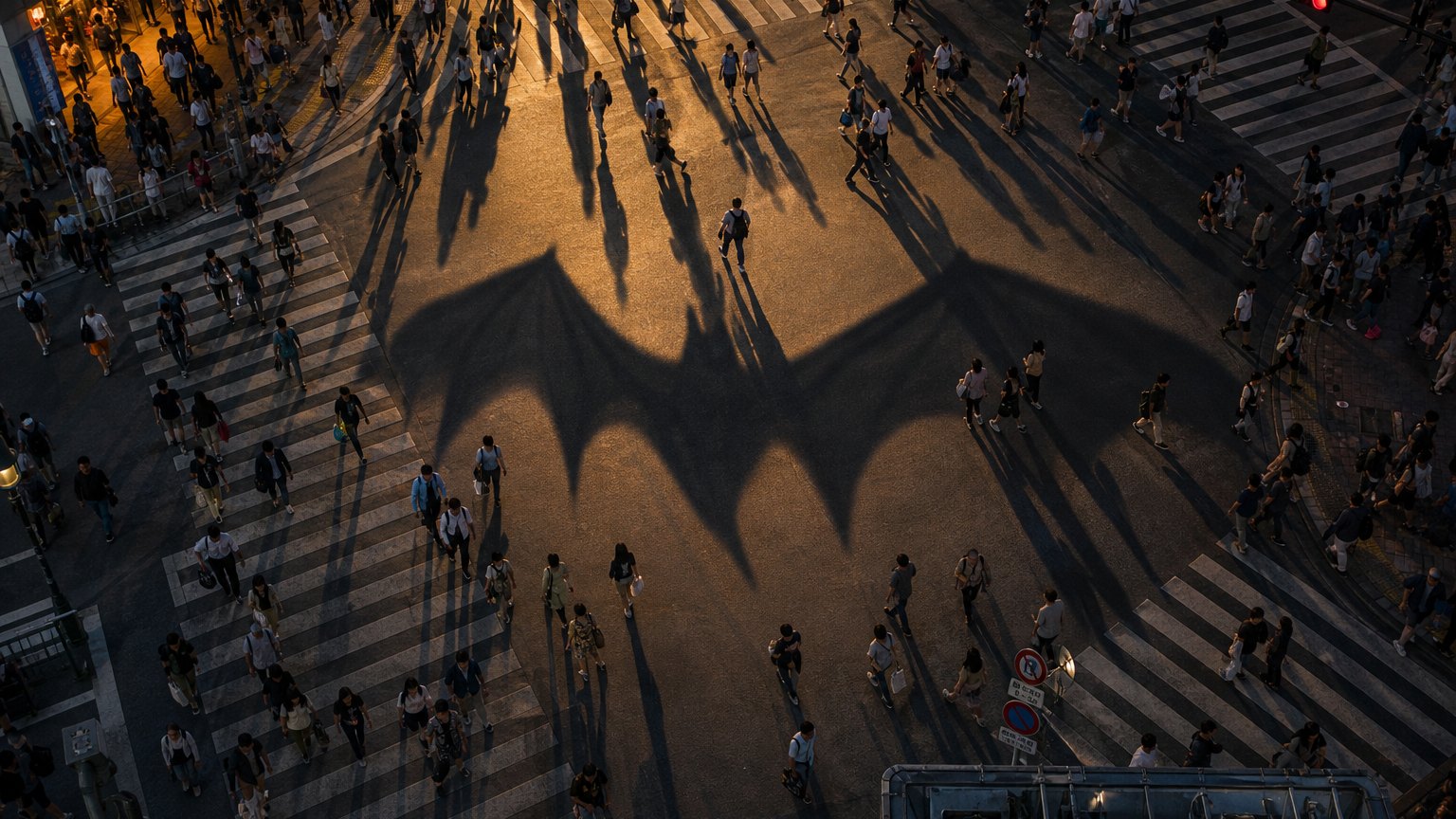
LOS ANGELES — In a move that signals a significant shift in the production of The Batman Part 2, Warner Bros. has confirmed that Steven Soderbergh will direct the final weeks of principal photography. The decision comes as director Matt Reeves temporarily steps away from the set to attend to a family matter. According to studio statements, Soderbergh approached Reeves personally, citing his long-standing admiration for the director’s previous work on the franchise. The arrangement is designed to ensure continuity; the studio notes that Soderbergh will collaborate closely with Reeves, the cast, and the crew to integrate the new footage seamlessly with existing material.
A Familiar Precedent
For industry observers, this scenario carries a distinct echo of the 2017 Justice League incident, where Joss Whedon stepped in to replace Zack Snyder during a family emergency. That earlier substitution remains a touchstone in blockbuster production history, marking a rare instance of a major studio bringing in a renowned director to stabilize a large-scale project mid-shoot. By invoking this precedent, Warner Bros. frames Soderbergh’s involvement not as a replacement, but as a collaborative completion strategy.
The Soderbergh Factor
Steven Soderbergh brings a distinct cinematic identity to the project, one defined by rapid-fire editing, naturalistic performance, and a minimalist visual palette. His filmography, which includes Traffic, the Ocean’s Eleven series, Contagion, and Black Bag, demonstrates a versatility that ranges from crime thrillers to pandemic dramas. Critics have long noted his ability to maintain tonal consistency even when taking over an existing project. In this context, his involvement is less about imposing a new style and more about executing a pre-established vision with technical precision. The studio emphasizes that his role is to finish the shoot, not to re-envision the film. With The Batman Part 2 currently scheduled for a theatrical release on February 18, 2028, the production team faces a tight timeline. The seamless integration of Soderbergh’s new scenes with Reeves’ existing material will be critical to the film’s final aesthetic cohesion. Industry analysts suggest that this collaboration may set a new standard for large-scale film productions, blending the original director’s intent with a second unit’s execution capabilities.

Comments (3)