
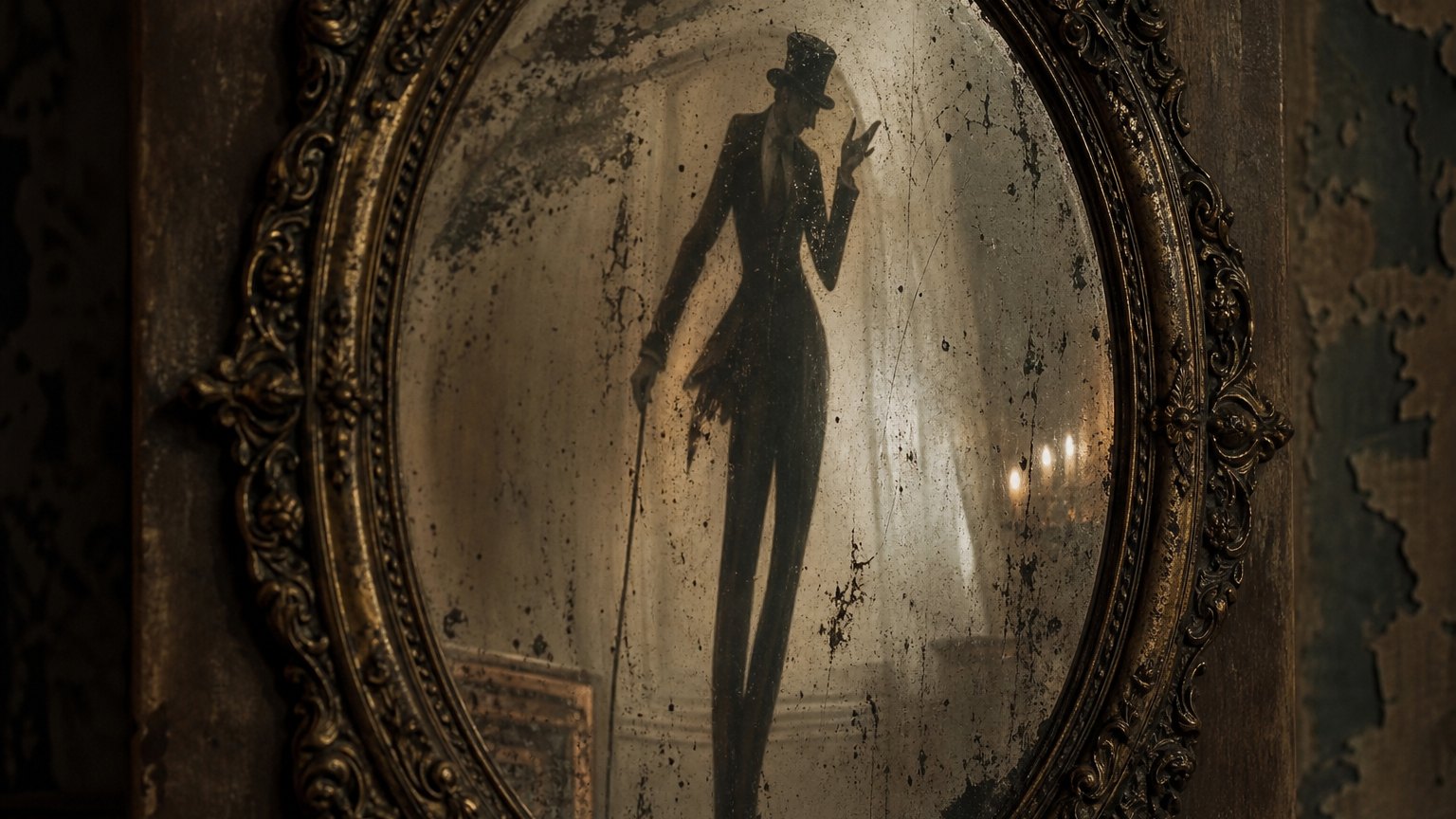
MUMBAI — In the crowded landscape of regional Indian cinema, few franchises have managed to sustain momentum after a first installment. Yet, the makers of The RajaSaab have confirmed the sequel is officially titled 'Raja Saab Circus 1935', signaling a deliberate pivot into a vintage era.
The project is directed by Geethu Mohandas and Maruthi, a duo whose collaborative approach suggests a focused, intimate production rather than a blockbuster spectacle. The genre is described as a horror-comedy with a vintage-era setting, a combination that has seen a resurgence in global independent cinema. By anchoring the narrative in 1935, the filmmakers are not merely changing the backdrop; they are invoking the aesthetic and social textures of the interwar period, where the boundaries between the absurd and the terrifying were often blurred.
The Aesthetic of the Absurd
This vintage framing is significant. The 1930s were a period of rapid modernization in India, marked by the rise of cinema itself as a mass medium. To set a horror-comedy in this era is to explore the tension between tradition and the new. The 'Circus' in the title suggests a theatrical, performance-based approach to the horror elements, likely leveraging the visual language of early cinema—silent film tropes, slapstick timing, and exaggerated character archetypes. For the independent sector, this represents a bold stylistic choice: using the past to ground the present’s anxieties.
Critics and industry observers have noted that the horror-comedy hybrid remains a challenging genre to execute well, requiring precise tonal control. The vintage setting provides a natural buffer for comedic timing, allowing for slapstick physicality that might feel anachronistic in a contemporary setting. The collaboration between Mohandas and Maruthi suggests a shared vision for this tonal balance, likely drawing on their experience in regional storytelling where humor and dread are often inextricably linked.
As the film moves through production, the industry will be watching closely. The title 'Raja Saab Circus 1935' is not just a name; it is a promise of a specific aesthetic experience. In a market saturated with high-budget sequels, this project stands out for its commitment to a distinct, period-defined identity. It is a reminder that in horror, the past is never truly gone—it is simply waiting to be projected again.

Comments (3)