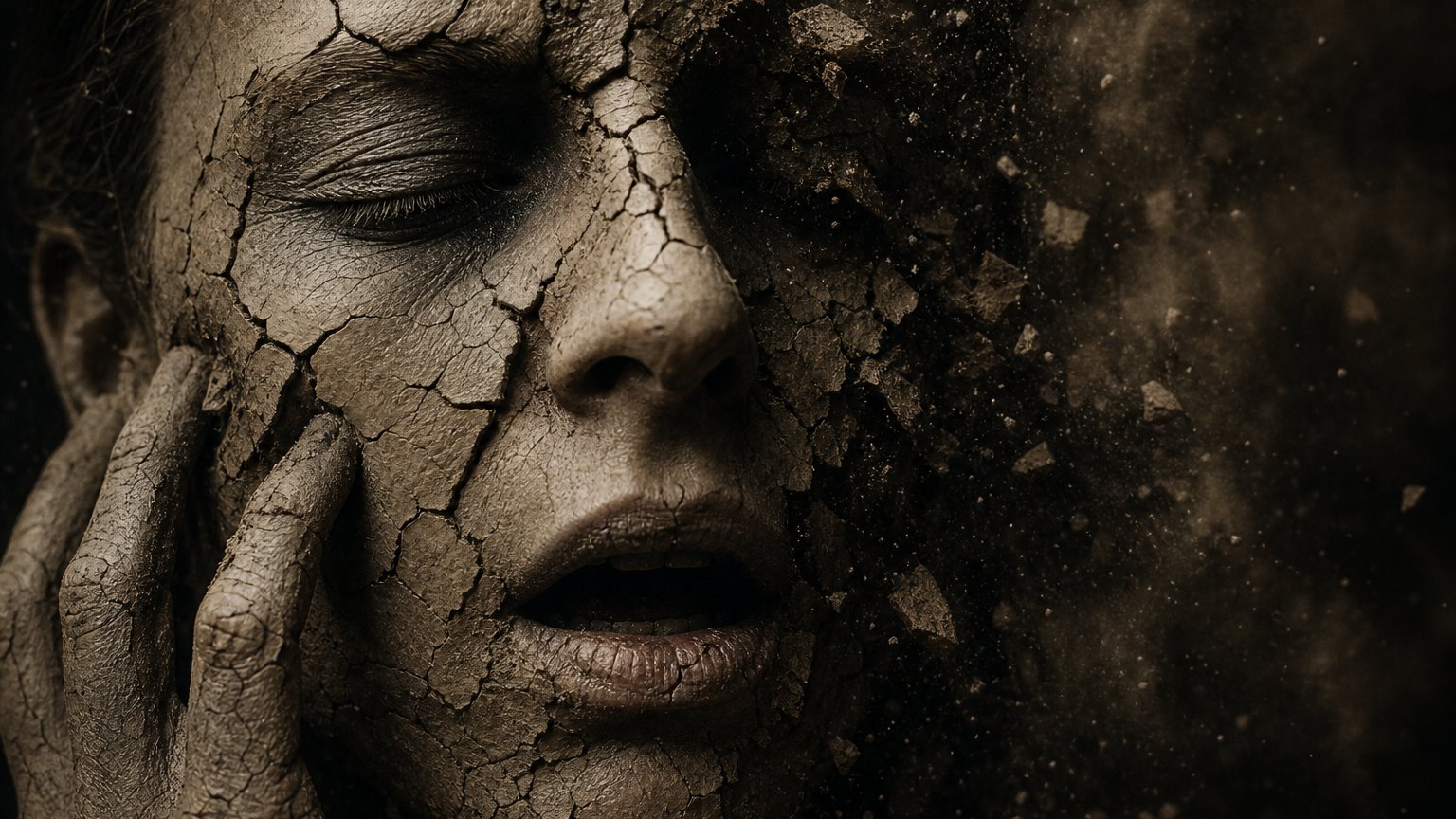
LOS ANGELES — In a move that signals a significant shift in DC Studios’ programming strategy, the studio has unveiled the first official poster for Clayface, its inaugural entry into the horror genre. Scheduled for a theatrical release on October 23, 2026, the film represents a bold experiment in tone and texture, departing from the standard superhero fare to explore the visceral and psychological dimensions of body horror.
A New Direction for the Franchise
The project marks a notable departure for the studio, which has historically focused on superhero narratives. By embracing the body horror subgenre, DC Studios is positioning itself within a broader industry trend where major studios are testing the waters of prestige horror, a sector traditionally dominated by independent and festival circuits. The decision to cast Tom Rhys Harries in the lead role of Matt Hagen places a familiar face at the center of a story that deals with physical transformation and identity loss.
Reinventing the Villain’s Origin
The narrative follows Matt Hagen, a former Gotham street kid who rises to become a Hollywood star before being disfigured by the actions of a crime boss. The story’s core tension arises when Hagen is abandoned by his team and subjected to an experimental treatment. This procedure restores his appearance but destabilizes his grasp on reality, driving him down a path of revenge. Peter Safran, co-CEO of DC Studios, described the project as an origin story for the classic Batman villain that blends body horror with themes of identity loss and scientific ambition.
Behind the Camera
The film is directed by James Watkins, known for The Woman in Black and Speak No Evil, bringing a proven sensibility for atmospheric dread. The screenplay was written by Mike Flanagan and Hossein Amini, a team that previously collaborated on the film Drive. The supporting cast includes Naomi Ackie, David Dencik, Max Minghella, Eddie Marsan, Nancy Carroll, and Joshua James. This assembly of talent suggests a production that prioritizes cinematic craft, aiming to compete in the same space as high-profile independent horror titles that have gained traction on the festival circuit.
Comments (3)