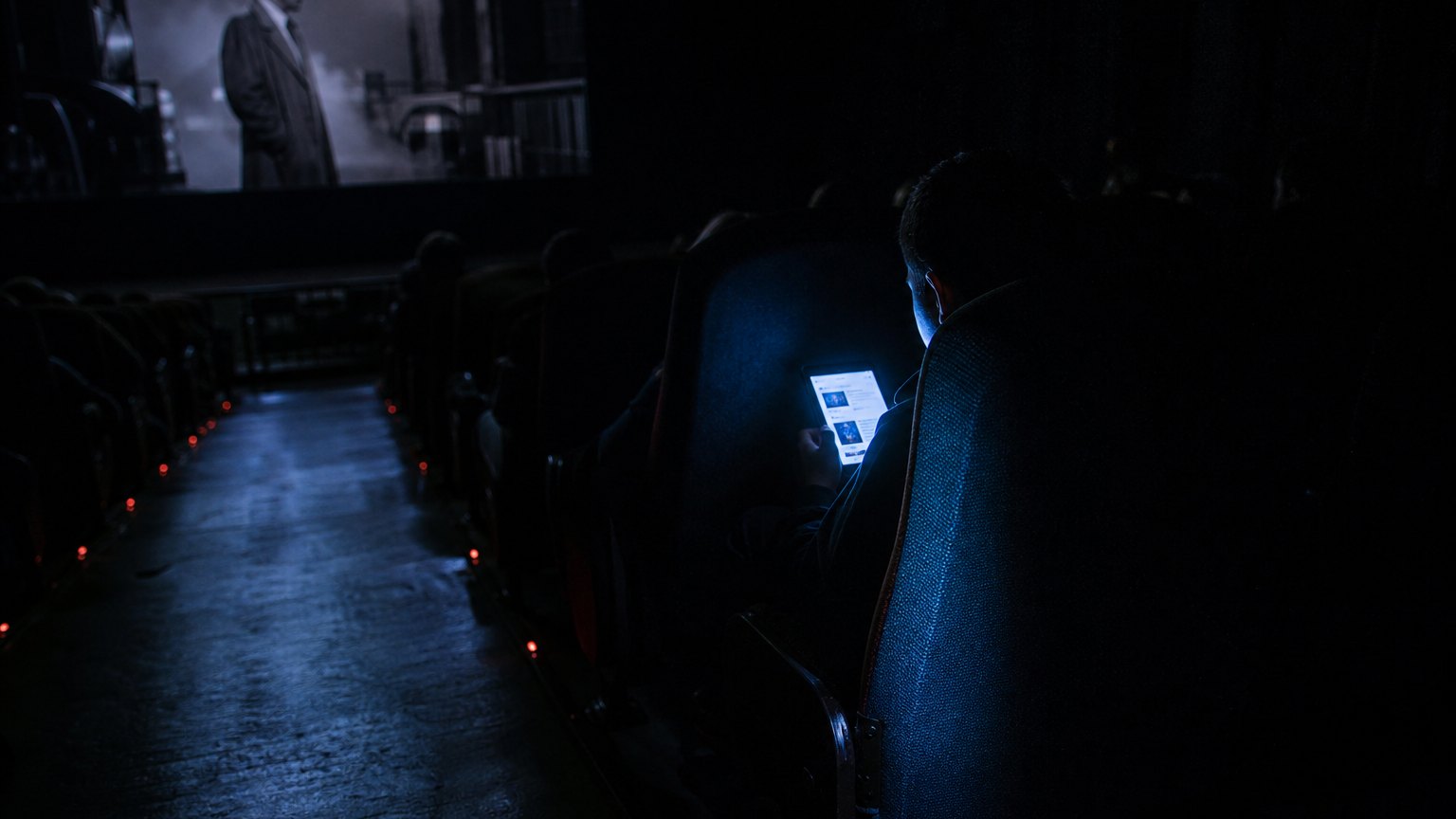
LOS ANGELES — The cinema aisle is no longer a place of quiet reverence; it is a theater of negotiation. In a widely shared post on X, Laura Robinson, a PhD in New Testament from Duke University and the operator of the Substack 'Not Peer Reviewed', has outlined a compelling sociological theory regarding the persistent phenomenon of parents bringing young children to R-rated horror features. The incident has generated significant online engagement, accumulating over 18,900 likes and 427 retweets, suggesting a resonant cultural frustration.
Robinson’s argument shifts the focus from the disruptive child to the adult guardian. She suggests that the act of bringing a small child to a horror film is less about the child’s interest and more about the parent’s need for an external scapegoat. When a toddler wails or wanders during a jump scare, the parent can attribute the disruption to the child’s age, thereby shielding themselves from the obvious mistake of poor planning. It is a subtle defense mechanism, one that allows the adult to maintain their composure while the chaos unfolds around them.
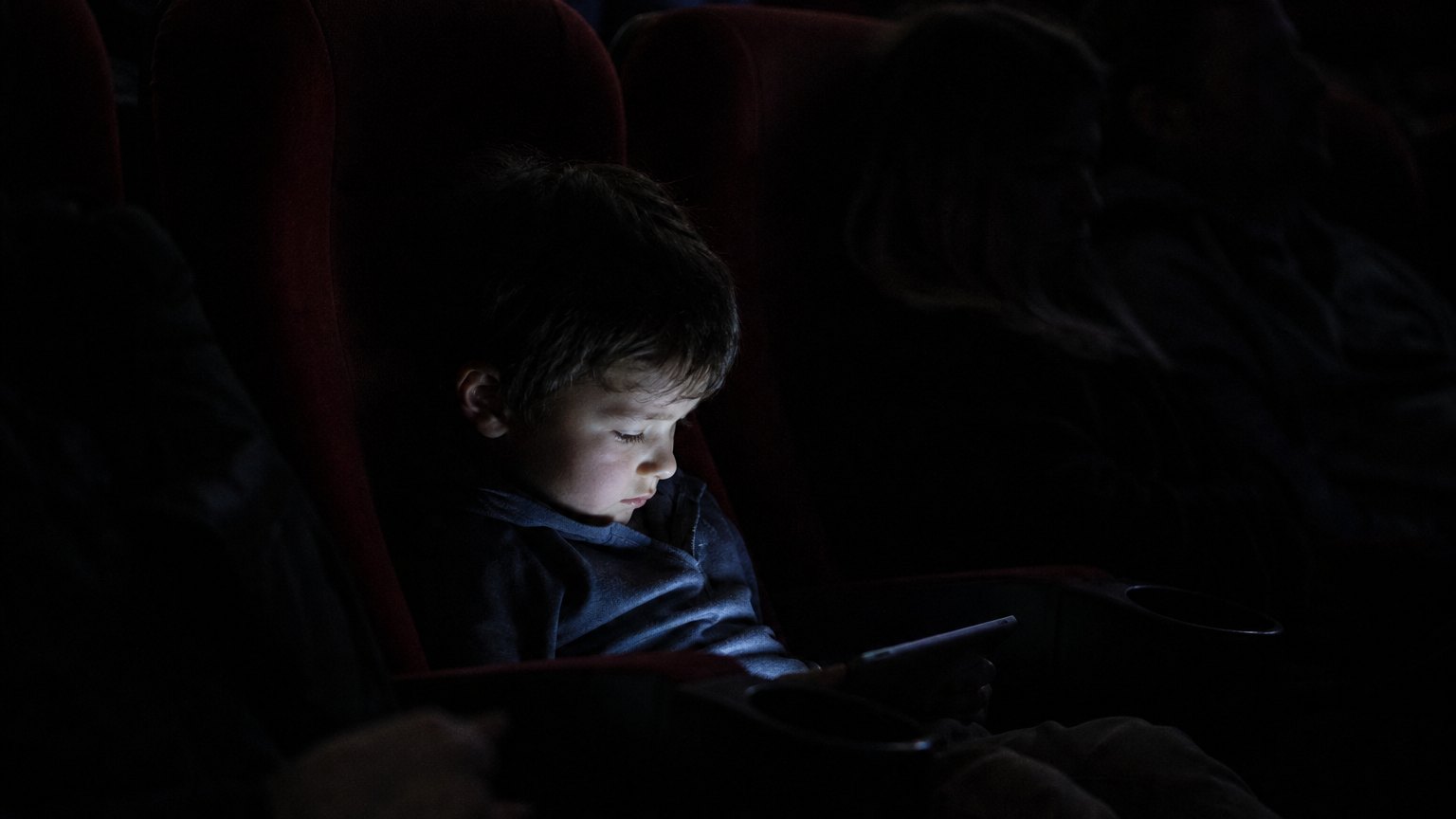
This observation fits into a broader industry trend where the screening room has become a site of technological distraction. Robinson notes the growing reliance on iPads to keep small children quiet. While the device serves its intended purpose of containment, its use often introduces a new layer of disruption for fellow moviegoers, as the glow of the screen and the faint sound of cartoons or games compete with the film’s audio mix. The horror film, with its reliance on subtle sound design, becomes the backdrop for a family’s domestic management strategy.
From an industry perspective, this dynamic challenges the traditional gatekeeping of the R-rating. The rating is a content guide, not a legal barrier. Without a rigorous enforcement mechanism at the box office, the theater becomes a shared space where adult expectations collide with the reality of parenting. Robinson’s theory provides a lens through which we can view these screenings not as isolated rudeness, but as a complex social ritual of blame and distraction.
As the horror genre continues to expand its audience, the tension between the intimate, dark atmosphere of the feature and the bright, noisy presence of young children will likely persist. The post serves as a reminder that the horror cinema experience is not just about the monsters on screen, but about the human dynamics in the seats. The real scare, Robinson implies, is not the ghost in the corridor, but the parent who chose the wrong movie for the child, seeking an easier narrative of fault.

Comments (3)