
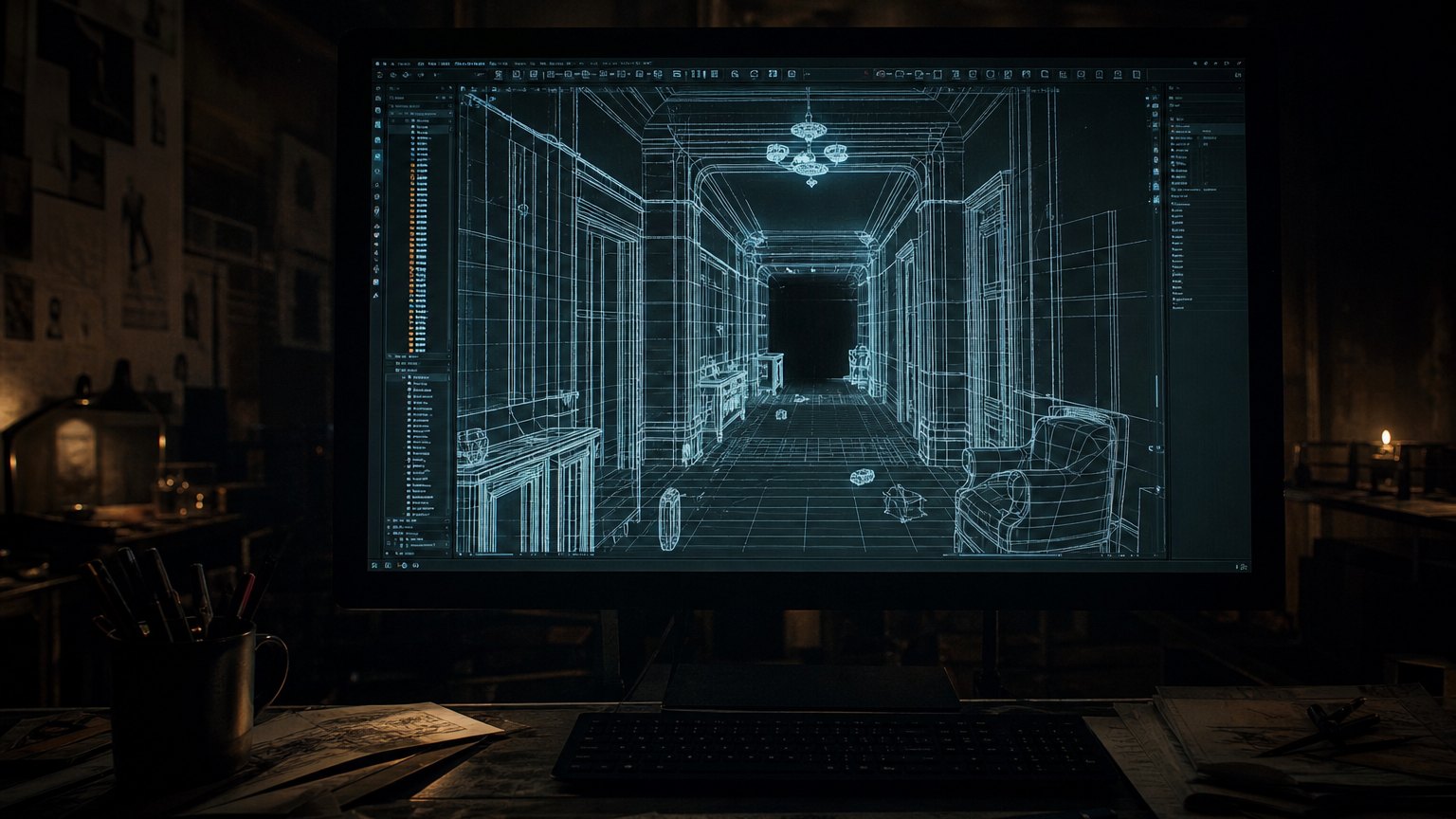
The most quietly radical thing about "Backrooms" is not that it scared a generation of moviegoers into a yellow-wallpapered fever. It's how it was made. Kane Parsons, now 20, built the world that became A24's biggest hit the same way he built the viral web series it sprang from: in Blender, the free and open-source 3D program, taught to himself through the same internet that would later try to automate him out of a job.
That origin — a teenager on YouTube turning liminal dread into a phenomenon that began on 4chan and metastasized across Reddit and TikTok — is the entire point of the film's success, and the entire point of what Parsons said when the press tour reached the subject of artificial intelligence. "Creatively, I get no enjoyment from using those tools," he told The Australian. "It defeats the purpose entirely for me." For a filmmaker whose craft is the product, that isn't a slogan. It's a description of the job.
The Receipts, and the Contradiction
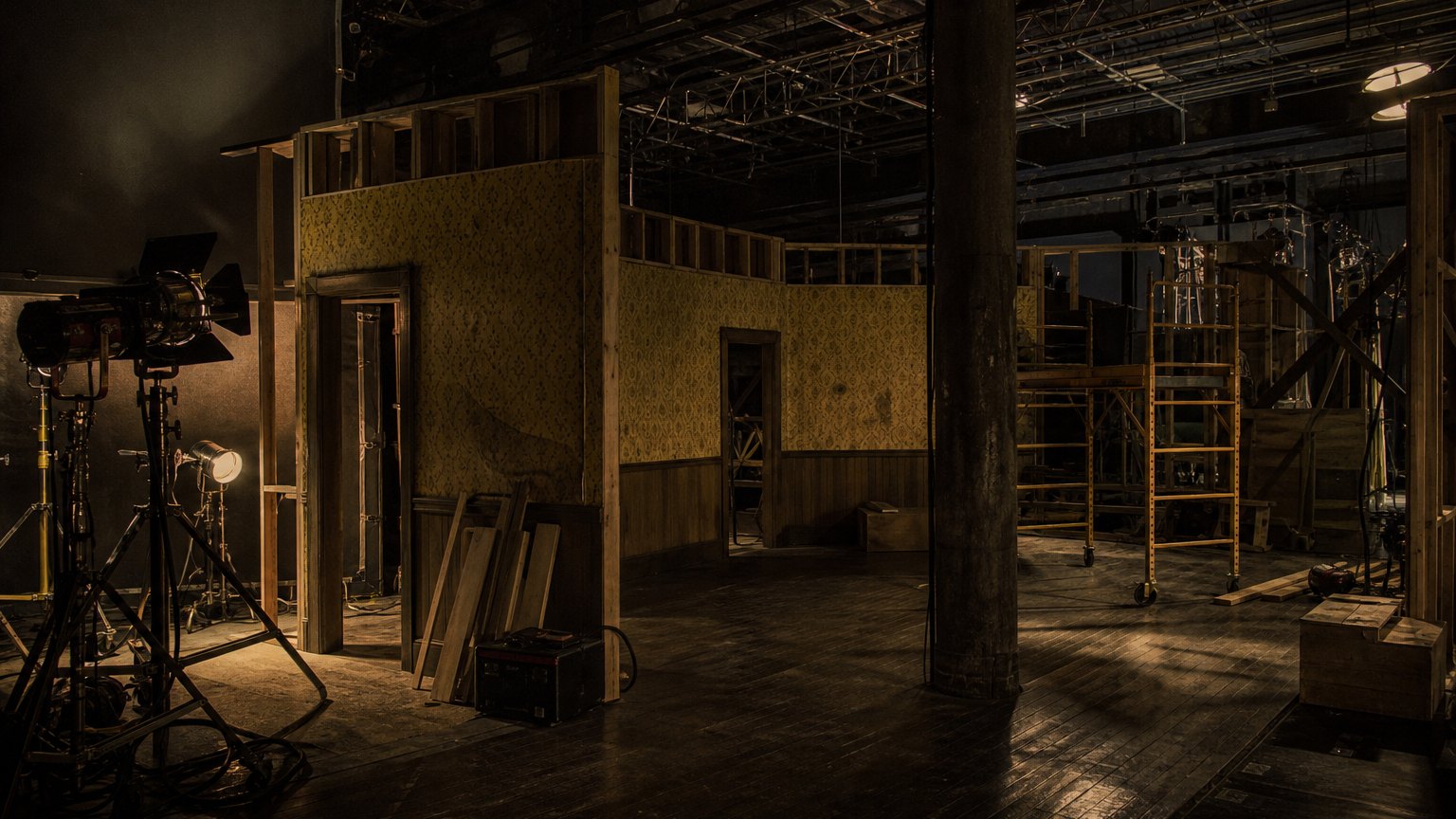
The receipts are not in dispute. "Backrooms" opened to $81 million domestically and $118 million worldwide, the largest debut in A24's history, against a budget of roughly $10 million co-financed with Chernin Entertainment. It is the biggest opening ever for an original horror film, and it made Parsons the youngest director to ever top the box office. By every metric the industry claims to care about, the handmade movie won.
Which makes the institution behind it harder to read. A24 spent the 2010s building a reputation as the last studio where artists were treated like artists — the home of Ari Aster and Robert Eggers, the brand horror fans defended in comment sections. Then, in 2024, it released a set of AI-generated promotional posters for "Civil War," riddled with the telltale errors of a machine that has never seen a city. And more recently it launched an in-house AI division, a decision that read to many fans as a betrayal of the exact ethos that made the logo mean something.
An Old Argument With a New Face
Parsons is not the first filmmaker under that logo to draw the line. In 2024, the directors of A24's "Heretic," Scott Beck and Bryan Woods, ran a closing-credits card reading "No generative AI was used in the making of this film"; Woods called the technology "borderline theft on some level." Outside the A24 ecosystem, Guillermo del Toro has said he hopes "to be able to remain uninterested in using it at all until I croak," and Daniel Kwan, who won A24 a Best Picture, has urged the industry to refuse it outright.
What Parsons adds is leverage. He has not sworn off the subject of AI — he says he's drawn to "examining what it represents," "not using AI to make the art itself." The distinction is the whole argument: the machine as something to look at, never something to hide behind. He calls the current moment "a symptom of a broader cultural and economic rot," and the uncomfortable truth for his distributor is that the cleanest counter-evidence to that rot is the movie on A24's own balance sheet — the one a kid built by hand, for ten million dollars, with no machine in the credits.
Comments (3)