LOS ANGELES — In a move that signals Orion Pictures’ continued commitment to blending genre thrills with established comedic sensibilities, the studio has acquired the rights to Howl, a horror-comedy project marking the feature directorial debut of Kumail Nanjiani. The announcement, made on August 5, 2026, positions Nanjiani not only as the lead performer but as the creative force behind the camera, a dual role that has become increasingly common among actors seeking greater autonomy over their narrative choices in an evolving industry landscape.
A Premise of Immediate Crisis
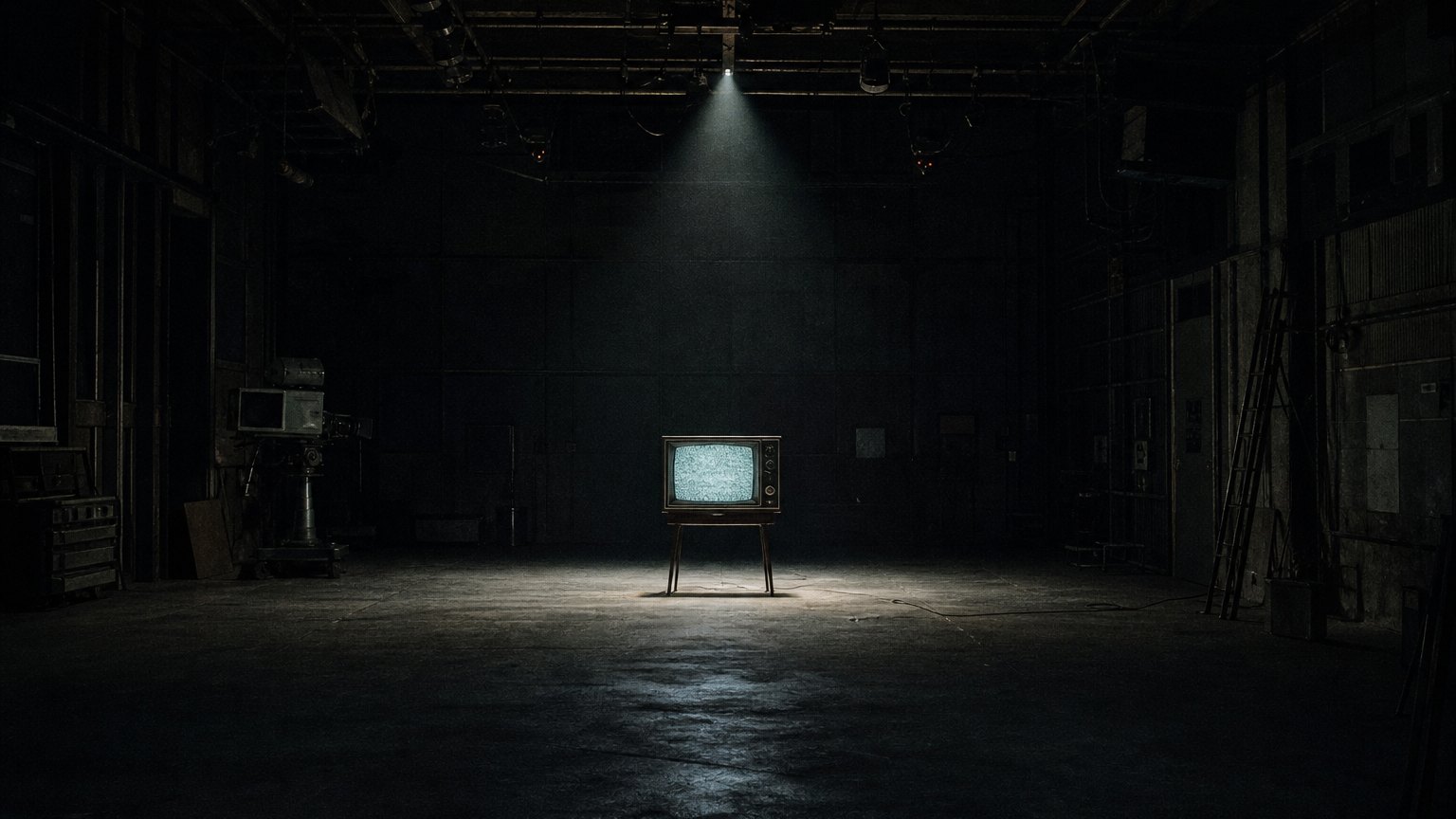
The film’s conceptual hook is both absurd and visceral. Centered on a well-known but unstable actor, the plot unfolds during a live television interview. In a moment of shocking revelation, the protagonist announces to the viewing public that he is on the verge of transforming into a werewolf within the hour. This premise allows for an immediate deconstruction of celebrity culture, public image, and the fragility of the masks individuals wear in the spotlight. The horror here is not merely physical but social, playing on the terror of losing control in a medium built on controlled presentation.

From Black List to Screen
Screenplay duties were handled by Madison Vanderberg, whose script previously earned a place on the prestigious 2024 Black List of unproduced screenplays. Inclusion on this list has long served as a barometer for high-quality, industry-aware writing, often leading to competitive bidding wars and eventual production. The adaptation of Howl suggests that Orion sees potential in Vanderberg’s work to bridge the gap between indie sensibility and mainstream accessibility. The genre-blending nature of the project, combining elements of body horror with satirical comedy, aligns with a broader trend in current cinema where rigid genre boundaries are increasingly porous.
Production Under the MGM Banner
The project is being produced by Weed Road Pictures and Winter Coat Films under the Amazon MGM Studios banner. This infrastructure provides the film with significant behind-the-scenes support, ensuring that the production can handle the technical demands of practical effects and creature design required for the transformation sequence. The involvement of Amazon MGM Studios also hints at potential distribution synergies, though specific release strategies remain unconfirmed. For Nanjiani, whose career has been defined by his ability to navigate between independent drama and broad commercial comedy, this debut represents a significant artistic pivot. It is a testament to the ongoing shift in Hollywood where talent from comedy and television is increasingly stepping into directorial roles, bringing a fresh perspective to traditional horror frameworks. Howl stands as an early indicator of how these new voices might reshape the genre’s conventions in the coming years.
Comments (3)