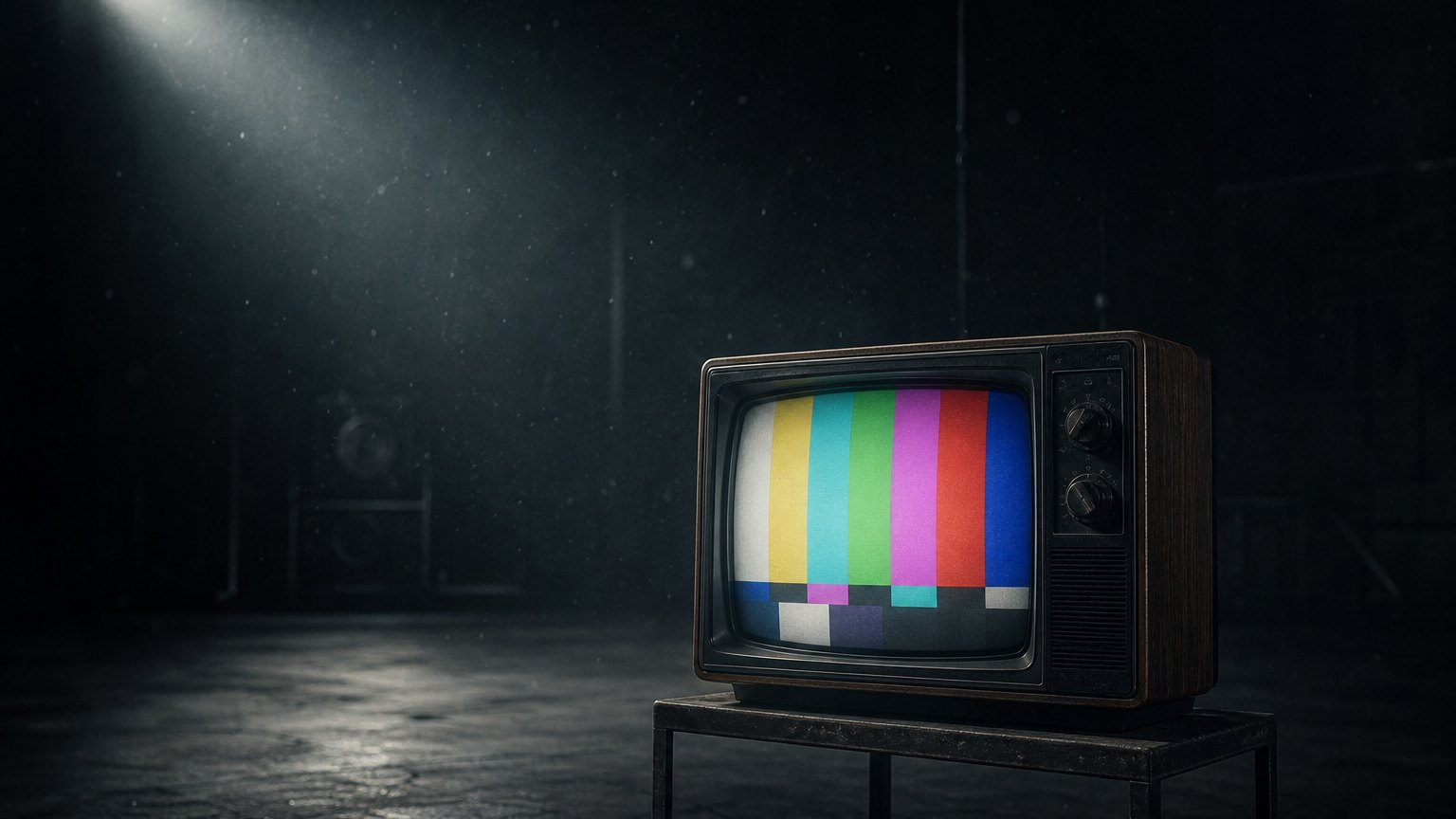
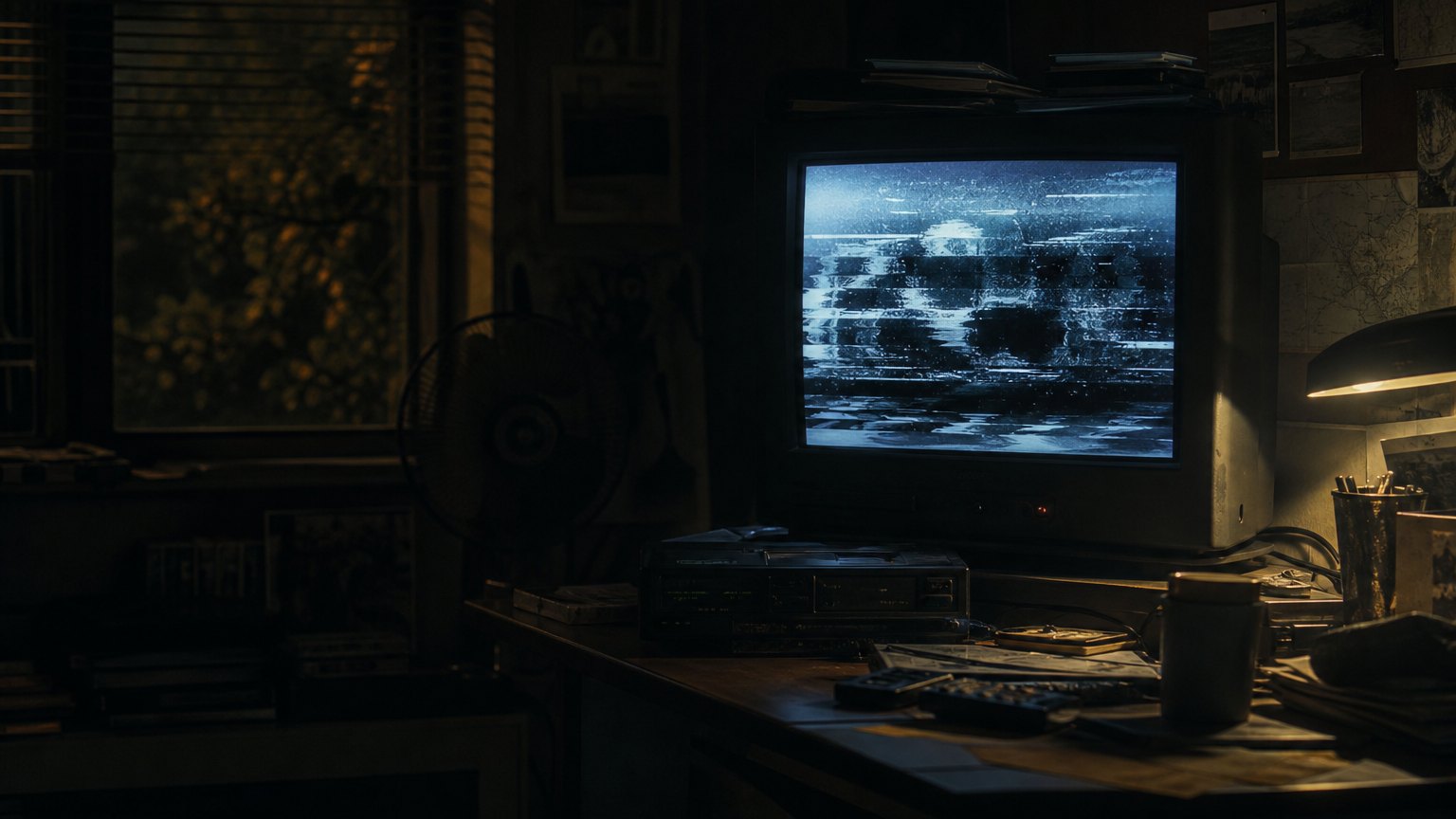
LOS ANGELES — The most influential horror movement of the past decade did not begin at Sundance or in a studio development meeting. It began on YouTube, in the deliberate degradation of an image: tracking lines, dropped frames, the warble of a VHS tape playing something it was never meant to play. Analog horror builds its dread not from what it shows but from what it withholds — a face half-buried in static, an emergency broadcast that will not stop, a transmission hijacked by something unseen.
What makes the movement remarkable is not only its aesthetic but its provenance. Its leading figures were not minted in film schools but on a free video platform, working in public, learning the grammar of fear upload by upload.
A Slogan That Named a Genre
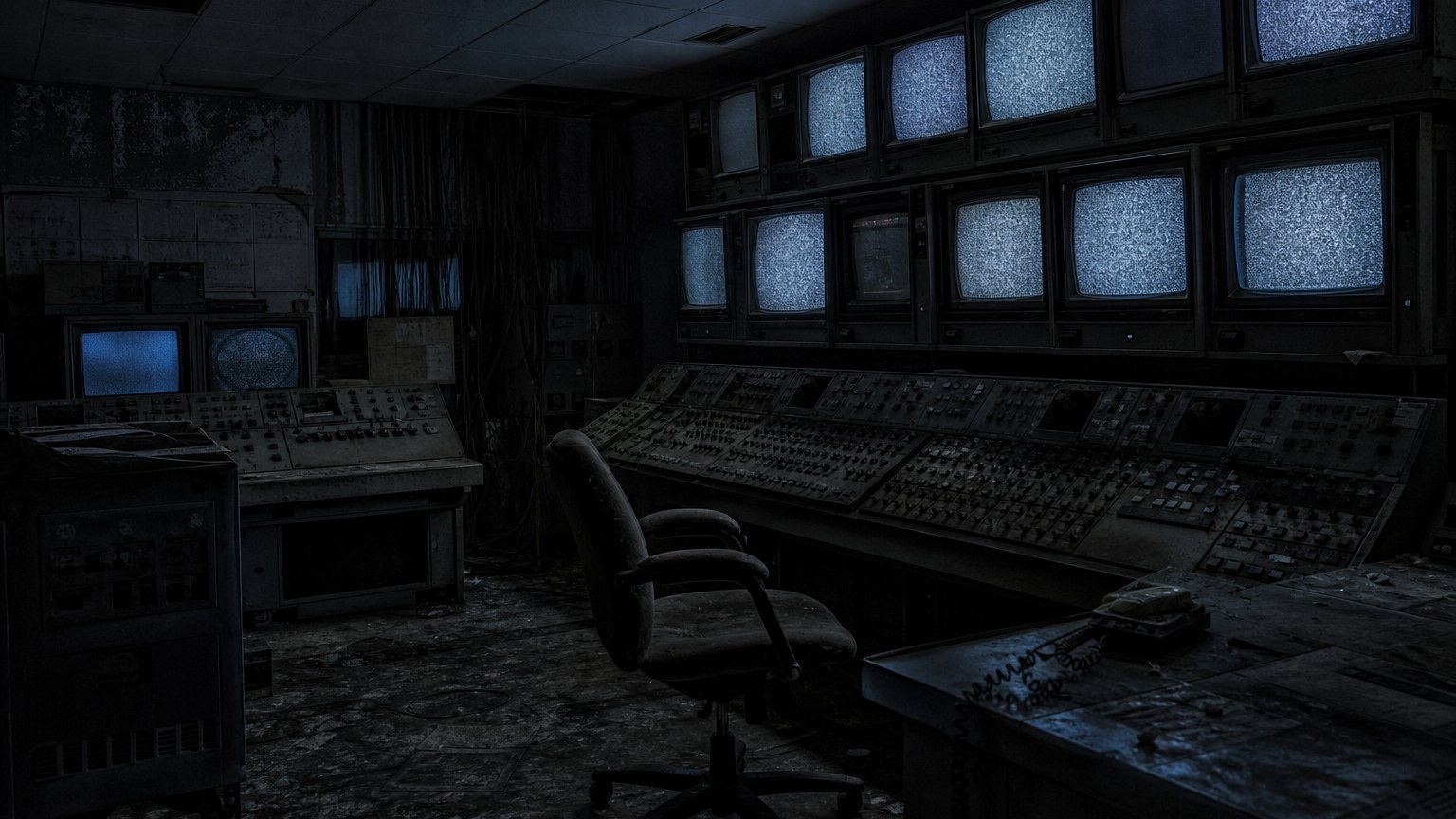
The origin point is widely credited to Local 58, created by Kris Straub. Presented as the hijacked feed of a public-access and emergency broadcast station, it established nearly every convention the form would inherit: the corrupted transmission, the calm institutional voice turned menacing, the sense that the medium itself has been compromised. It also named the genre, carrying the slogan ANALOG HORROR AT 476 MHz — branding that, almost by accident, christened a movement.
That a genre should take its name from one creator's tagline tells you how it grew: no manifesto, no festival, no founding institution — only a frequency, a form, and an audience that recognized both.
The 2021 Explosion
For a few years the form remained a connoisseur's pleasure. Then, in 2021, it broke open. That August, Alex Kister premiered The Mandela Catalogue, pushing the corrupted-PSA aesthetic to a paranoid extreme with its alternates — entities that impersonate people you know. The same season produced The Walten Files, the work of Chilean animator Martin Walls, which drew on the architecture of Five Nights at Freddy's and proved the form could carry serialized, animated storytelling. Series like Gemini Home Entertainment and The Monument Mythos deepened the field, and by year's end analog horror was a movement with its own canon.
From a 4chan Post to A24
Its most consequential graduate arrived in 2022. On January 7 of that year, Kane Parsons — posting as Kane Pixels — uploaded The Backrooms (Found Footage), built on a 2019 creepypasta that had begun as an anonymous 4chan post: a single photograph of an empty, yellowed office space. Parsons gave that flat image depth, motion, and a pursuer. The series surpassed 197 million views.
It also crossed over completely. Parsons directed a feature, Backrooms, distributed by A24, which premiered May 7, 2026, at the Aero Theatre in Los Angeles and opened in theaters May 29. It grossed $277.4 million worldwide, A24's highest-grossing film to date, making Parsons the youngest filmmaker to reach number one at the U.S. box office. The Rotten Tomatoes critics' consensus called it A startlingly assured feature debut from director Kane Parsons, Backrooms bends the liminal spaces that have haunted the internet for years into a horror film that's as mesmerizing as it is terrifying.
The lesson is not that YouTube produced one prodigy. It is that the platform has become a working film school — a place where horror auteurs are trained in public, on free tools, by an audience that responds in real time. The pipeline now runs from a 4chan photograph to the Aero Theatre, and the institutions have yet to catch up.
Comments (30)