
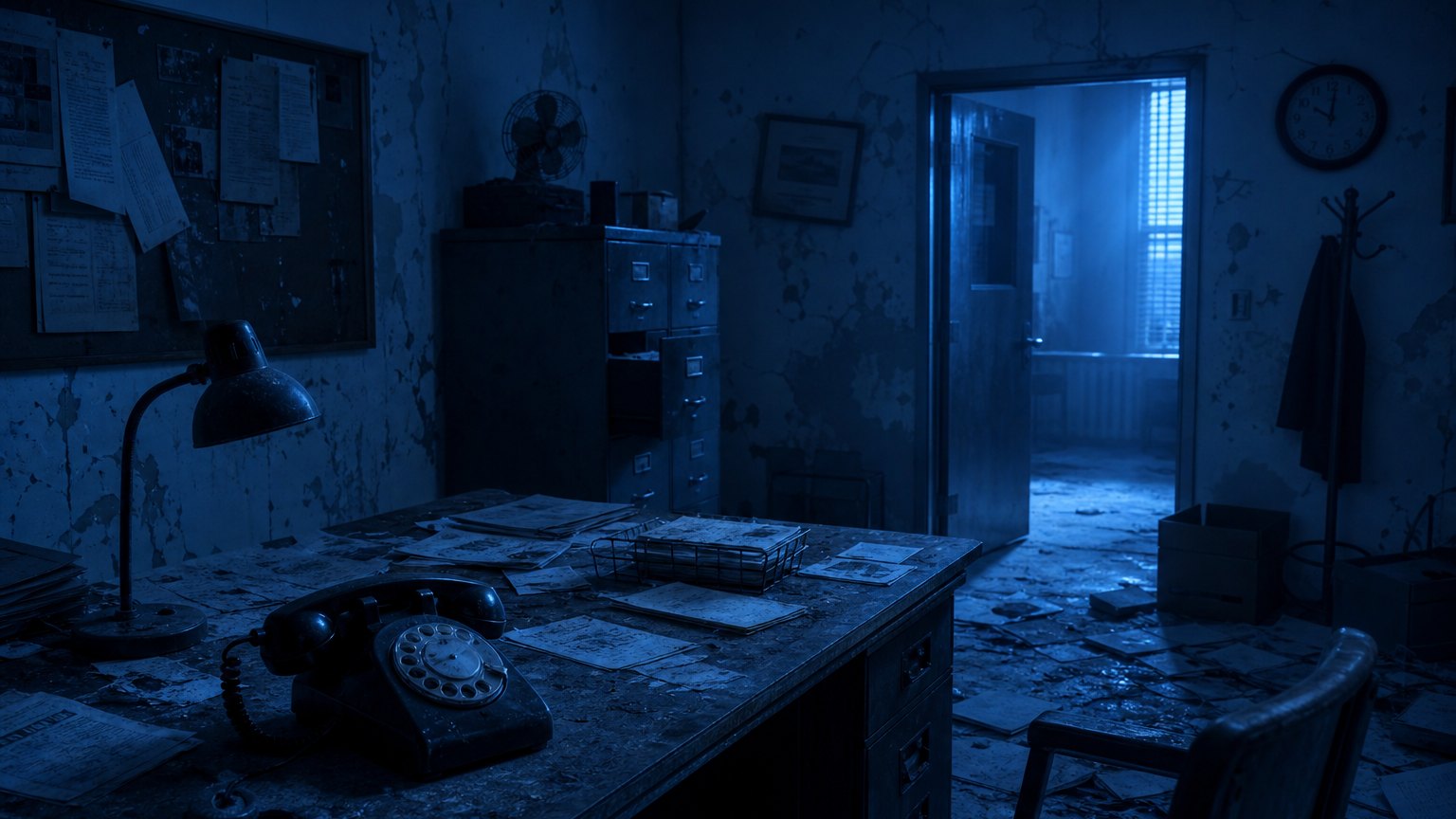
LOS ANGELES — In the pantheon of interactive horror, few titles occupy the liminal space between arcade mechanics and cinematic unease as distinctly as 'D.' Released in 1995 by the studio Warp, the title stands as a testament to the experimental fervor of the mid-90s, a period when digital media was still shedding its infancy to confront adult themes with raw, unfiltered intent. The project was spearheaded by director Kenji Eno, whose vision for the game extended beyond mere gameplay into the realm of psychological thriller, utilizing the emerging capabilities of CD-ROM technology to deliver a narrative experience that felt less like a simulation and more like a descent into a waking nightmare.
The Architecture of Fear
At the heart of Eno’s direction is the protagonist, Laura Harris. Unlike the action-oriented heroes of contemporary shooters, Harris serves as a vessel for vulnerability, navigating a world where the boundaries between reality and digital distortion are porous. The narrative structure, crafted by Eno and his team at Warp, relies heavily on atmospheric tension rather than explicit violence, a approach that aligns more closely with the slow-burn horror of 16mm cinema than the jump-scares typical of the genre. This stylistic choice underscores the filmic ambition of the project, treating the player not as a gamer, but as an audience member thrust into the role of survivor.
A Fragmented Release Strategy
The distribution of 'D' reveals the complex landscape of 1990s console warfare. Acclaim Entertainment served as the primary publisher, bringing the experience to the Saturn, PlayStation 1, and MS-DOS platforms, thereby securing a broad reach among early adopters of home computing and console gaming. However, the journey for the 3DO platform was more fragmented, reflecting the fractured nature of the hardware market at the time. In North America, Panasonic took the reins, publishing the title with a localized focus that sought to capture the domestic market’s appetite for high-fidelity interactive media. Meanwhile, across the Pacific, San-Ei Shobo Publishing handled the Japanese release, ensuring that the game remained accessible to Eno’s home audience while navigating distinct regional publishing norms.
Legacy of the Analog Ghost
Today, 'D' is remembered not just for its technical achievements, but for its willingness to embrace the uncanny valley before the term was widely codified in game design theory. Kenji Eno’s direction remains a case study in how environmental storytelling and limited interactivity can generate profound dread. The character of Laura Harris, though confined to the pixelated constraints of the era, embodies a timeless archetype of the modern victim, caught in a system that is both indifferent and malicious. As retrospectives of 90s horror continue to surface, 'D' offers a crucial counterpoint to the more mainstream offerings of the decade, reminding us that the roots of contemporary indie horror games are deeply entrenched in the experimental soil of early multimedia art.
Comments (25)