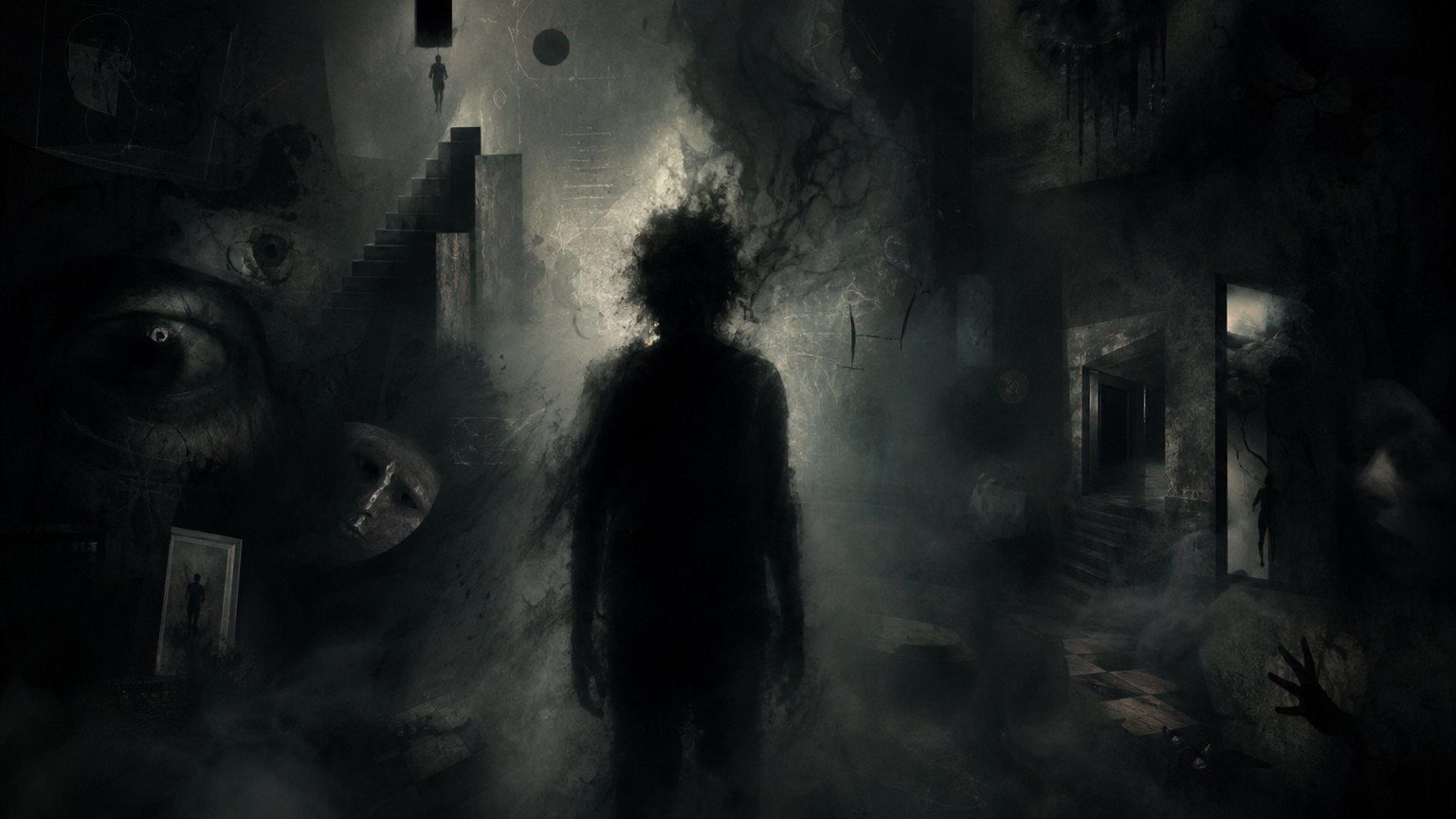
PORTLAND — The independent horror landscape continues to expand its vocabulary, moving beyond jump scares toward a more sustained, atmospheric dread. Michael Patrick Jann’s latest feature, Alma & the Wolf, arrives on Pluto TV this week, offering a case study in how survival horror aesthetics can be repurposed to explore deep-seated guilt and narrative collapse.
The Architecture of Dread
Starring Ethan Embry as a protagonist fractured by trauma and searching for his missing son, the film situates itself within the moody, rain-swept Oregon wilderness. It is not merely a backdrop but an active participant in the story. The narrative unfolds through a mysterious small town populated by eccentric residents who feel less like characters and more like manifestations of a collective unconscious. Reviewers have noted the seamless blend of folk, psychological, and body horror elements, creating a texture that feels both ancient and intimately modern.
The film draws undeniable comparisons to the video game Silent Hill 2 and the television series Twin Peaks. This is not to suggest it is a derivative work, but rather that it shares a specific lineage of storytelling where the environment mirrors the internal state of the observer. Much like Alan Wake, particularly in its final act’s monster encounters, Alma & the Wolf utilizes the uncanny valley to destabilize the viewer’s sense of reality.
Narrative Subversion
Unlike a direct adaptation, the plot was inspired by the process of going mad under such psychological pressure. The story explores themes of guilt, morality, and the psychological deterioration that occurs when one confronts the narratives sustaining their life. Early praise from the Boston Underground Film Festival highlighted the film's tendency to subvert genre conventions, suggesting that what appears to be a standard missing-person mystery quickly morphs into a surreal descent into nightmare logic.
Critics suggest that the finale, with its bizarre imagery, requires viewing until the very end for full comprehension. It is a testament to Jann’s direction that he trusts the audience to sit with discomfort, allowing the horror to emerge from the erosion of sanity rather than external threats alone. In an era where streaming platforms often prioritize immediate gratification, this slow-burn approach offers a refreshing return to cinematic patience. For those willing to endure the fog, Alma & the Wolf provides a haunting meditation on the cost of truth.

Comments (3)